
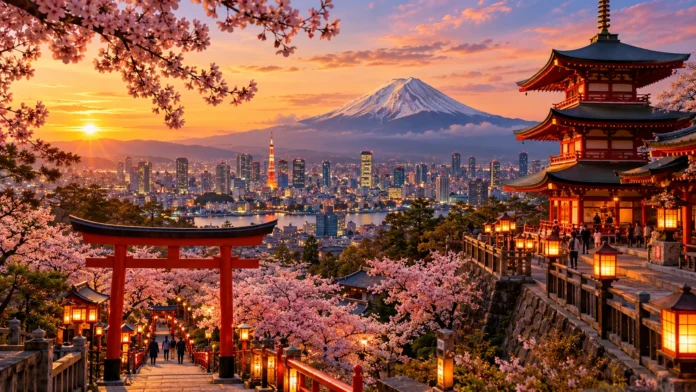
Why Japan Is Worth Visiting
Japan offers an extraordinary mix of ancient traditions, modern cities, mountain scenery, coastal landscapes, temples, castles, and distinctive food. Travelers can move from futuristic neighborhoods filled with digital displays to quiet shrines surrounded by forest within the same day. This contrast makes Japan appealing to history lovers, food travelers, families, photographers, shoppers, and anyone interested in experiencing a culture with many different layers.
The country is also remarkably diverse from north to south. Hokkaido is known for colder weather and mountain scenery, while Okinawa offers a warmer island atmosphere. Between them are famous destinations such as Tokyo, Kyoto, Osaka, Nara, Hiroshima, and the Japanese Alps, giving travelers countless ways to design a trip around cities, nature, culture, or food.
Japan rewards both careful planning and spontaneous exploration. Famous attractions are worth seeing, but neighborhood cafés, small temples, local shopping streets, train journeys, and regional meals can become equally memorable. A well-balanced itinerary should include major landmarks while leaving enough free time to discover quieter experiences away from the busiest tourist areas.
Explore Tokyo’s Famous Neighborhoods
Tokyo is one of the most exciting cities in the world and a natural starting point for many Japan trips. Each neighborhood has its own atmosphere, from the bright lights and shopping of Shibuya and Shinjuku to the traditional streets around Asakusa. Exploring several districts helps visitors understand how dramatically Tokyo can change within only a few train stops.
Shibuya is known for busy crossings, fashion, restaurants, and energetic streets, while Shinjuku combines skyscrapers, shopping, entertainment, and nightlife. Asakusa offers a more traditional atmosphere centered around historic temples and old-style shopping streets. Travelers interested in modern pop culture may also enjoy areas known for electronics, gaming, anime, and themed stores.
Tokyo is enormous, so avoid trying to see everything in one day. Group nearby neighborhoods together and leave time for meals, cafés, and short breaks. Using the rail and subway system becomes easier after a little practice, and choosing accommodation near a useful station can save considerable time throughout your stay.
Discover Kyoto’s Temples and Traditional Streets
Kyoto is one of the best places to experience Japan’s historic and cultural heritage. The city is filled with temples, shrines, traditional houses, gardens, and preserved neighborhoods. Visitors can spend several days exploring different districts because major attractions are spread across the city rather than concentrated in one small historic center.
Fushimi Inari is famous for its long paths lined with red torii gates, while Kinkaku-ji is known for its striking golden appearance. Kiyomizu-dera offers impressive views and connects naturally with traditional streets filled with shops and small restaurants. Visiting early in the morning can provide a calmer experience at popular attractions.
The Gion area is another important part of Kyoto’s atmosphere, especially for travelers interested in traditional architecture and evening walks. Respect private property and local residents while exploring historic streets. Kyoto is most rewarding when you balance famous temples with quieter gardens, neighborhood walks, and enough time to appreciate individual places rather than rushing between them.
Experience Osaka’s Food and Nightlife
Osaka is energetic, friendly, and especially popular with travelers who enjoy food and entertainment. The city has a more casual atmosphere than some other major Japanese destinations, making it an enjoyable contrast after spending time in Tokyo or Kyoto. Bright shopping streets, restaurants, markets, and lively evening areas keep the city active well after sunset.
Dotonbori is one of Osaka’s most recognizable entertainment districts, filled with illuminated signs, food stalls, restaurants, and crowds. Visitors can try local specialties while walking beside the canal and exploring nearby shopping streets. Osaka’s food culture is a major attraction, so leave plenty of room in your itinerary for casual meals and snacks.
Beyond nightlife and dining, Osaka also offers historic attractions, modern architecture, museums, and family-friendly entertainment. Osaka Castle is one of the city’s best-known landmarks and provides a useful historical contrast to the busy commercial neighborhoods. Two or three days can provide a good introduction while still allowing time for relaxed food exploration.
Take a Day Trip to Nara
Nara is an easy addition to many Japan itineraries and works particularly well as a day trip from Kyoto or Osaka. The city is famous for historic temples, traditional sites, and a large park where deer move freely through many public areas. Its quieter pace provides a welcome change from Japan’s larger cities.
Todai-ji is one of Nara’s major cultural landmarks and is known for its impressive scale and important Buddhist heritage. Walking between the temple area, park, shrines, and traditional streets creates an enjoyable sightseeing route. Comfortable shoes are useful because much of the experience involves exploring outdoors on foot.
The deer are a popular attraction, but visitors should remember that they are animals rather than entertainment props. Follow local guidance, keep food properly handled, and avoid disturbing them unnecessarily. Spending several hours in Nara allows enough time to appreciate its history and landscape rather than focusing only on the most photographed animals.
Visit Mount Fuji and the Fuji Five Lakes
Mount Fuji is one of Japan’s most recognizable natural landmarks and can be viewed from several areas depending on weather conditions. The Fuji Five Lakes region offers excellent opportunities for scenery, photography, lake views, and outdoor activities. A clear day can reveal dramatic views of the mountain rising above the surrounding landscape.
Lake Kawaguchi is one of the most popular bases for travelers hoping to experience Mount Fuji. Walking paths, viewpoints, cafés, and accommodation options make it suitable for both day trips and overnight stays. Staying overnight can improve your chances of seeing the mountain because visibility may change throughout the day.
Travelers interested in climbing Mount Fuji should plan separately and understand seasonal access, weather, and physical demands. Even without climbing, the region is worth visiting for its scenery and relaxed atmosphere. Allow flexibility because cloud cover can hide the mountain completely, even when conditions elsewhere appear pleasant.
Explore Hiroshima and Miyajima
Hiroshima is an important destination for travelers interested in modern history, remembrance, and Japanese resilience. The Peace Memorial Park and surrounding museums encourage thoughtful reflection on the impact of war. Visitors should approach these places respectfully and allow enough time to absorb the exhibitions rather than treating them as quick sightseeing stops.
The city also offers a lively food scene, shopping areas, riverside walks, and local specialties. Spending at least one night allows visitors to experience Hiroshima beyond its historical sites. Evening dining and neighborhood exploration provide a broader view of the city and help balance the emotional weight of its remembrance-focused attractions.
Nearby Miyajima is famous for its waterfront shrine scenery and forested island landscape. Visitors can walk through traditional streets, explore religious sites, and enjoy views of the surrounding water. Combining Hiroshima and Miyajima creates a varied itinerary that includes history, spirituality, scenery, and a slower island atmosphere.
Experience Japan’s Hot Springs and Ryokan Stays
Staying in a traditional ryokan can become one of the most memorable experiences of a Japan trip. These accommodations often feature tatami flooring, simple interiors, traditional bedding, and carefully prepared meals. The experience focuses on relaxation, hospitality, and slower routines rather than the standardized atmosphere of a typical modern hotel.
Hot springs, known as onsen, are another important part of Japanese travel culture. Mountain towns and rural areas across the country offer indoor and outdoor bathing experiences. Before visiting, learn basic bathing etiquette so you understand washing procedures, towel use, and any local rules related to tattoos or private bathing options.
An overnight hot spring stay works especially well between several busy city destinations. After long days of walking and train travel, a quieter night can provide a welcome break. Choosing a ryokan in a scenic area also allows you to experience regional food and traditional hospitality that might be difficult to appreciate during a short daytime visit.
Discover Japan’s Food Culture
Food is one of the strongest reasons to travel through Japan because every region has its own specialties. Sushi, ramen, tempura, grilled dishes, noodles, rice bowls, street snacks, sweets, and seasonal meals provide enormous variety. Eating in different cities reveals how local ingredients and traditions influence even familiar Japanese foods.
Do not limit yourself to expensive restaurants. Small noodle shops, casual counters, train stations, food halls, markets, and neighborhood restaurants can offer memorable meals. Convenience stores are also useful for snacks and quick breakfasts, especially during busy travel days when you need something simple between trains or attractions.
Ordering can feel intimidating at first, but many restaurants use pictures, display models, ticket machines, or simple menus. Approach unfamiliar food with curiosity rather than worrying about trying everything perfectly. Leaving space for spontaneous meals often leads to some of the best travel experiences, especially when you explore beyond the busiest tourist streets.
Ride Japan’s Trains and Shinkansen
Japan’s rail system makes traveling between major destinations relatively straightforward once you understand the basic structure. High-speed trains connect many important cities, while regional railways, subways, and local lines handle shorter journeys. Train travel can become part of the experience itself, especially when routes pass through mountains, countryside, or coastal areas.
The Shinkansen is particularly useful for longer journeys between cities such as Tokyo, Kyoto, Osaka, and Hiroshima. Stations can be large and busy, so arrive with enough time to find your platform. Keeping luggage manageable also makes boarding, transfers, and movement through crowded stations considerably easier.
Transport passes are not automatically the cheapest option for every itinerary, so compare your planned journeys before purchasing one. For city travel, rechargeable transit cards can simplify short train and subway trips. Learning basic station signs and route colors early in the trip makes navigation increasingly comfortable as your journey continues.
Enjoy Japan Through the Seasons
Spring is famous for cherry blossoms and mild sightseeing weather, making it one of Japan’s most popular travel periods. Parks, riversides, temples, and neighborhoods become especially beautiful when flowering trees appear. Because bloom timing varies by region and weather, travelers should remain flexible rather than assuming the flowers will peak on one exact date.
Summer brings heat and humidity to many regions but also offers festivals, fireworks, mountain activities, and lively seasonal traditions. Autumn is another popular period because temperatures become more comfortable and forests, temple gardens, and mountain landscapes develop colorful foliage. Both seasons offer excellent opportunities for outdoor sightseeing when planned carefully.
Winter brings a completely different atmosphere, especially in northern and mountain regions where heavy snow creates excellent conditions for skiing and winter scenery. Hot springs become particularly appealing during colder weather. Japan’s seasonal variety means there is no single perfect month for everyone, so choose your dates according to the activities and landscapes you value most.
Visit Hokkaido for Nature and Winter Scenery
Hokkaido provides a different experience from Japan’s densely populated central regions. Open landscapes, mountains, national parks, farms, and colder weather give the northern island a spacious character. Summer attracts travelers interested in flowers, hiking, and cooler temperatures, while winter is famous for snow and outdoor sports.
Sapporo is the region’s largest city and provides convenient access to restaurants, markets, cultural attractions, and surrounding excursions. Hokkaido is particularly well known for seafood, dairy products, and regional comfort foods. Including food experiences alongside outdoor sightseeing creates a more complete introduction to the island.
Travel distances can be larger than visitors expect, so plan Hokkaido separately rather than squeezing too many destinations into a short stay. Renting a car may provide flexibility in rural areas, while trains work well for several major routes. A slower itinerary allows you to appreciate the landscape instead of spending most of your visit in transit.
Explore Okinawa for Beaches and Island Culture
Okinawa provides a warmer and more tropical side of Japan, with beaches, clear water, islands, and a distinct regional culture. Travelers often visit for snorkeling, diving, swimming, and relaxed coastal scenery. The atmosphere differs greatly from Tokyo or Kyoto, making Okinawa an interesting addition to a longer Japan itinerary.
Island hopping can reveal quieter beaches and smaller communities beyond the main urban areas. Marine activities are a major attraction, but visitors should pay attention to weather, currents, and local safety guidance. Choosing responsible operators and respecting coral environments helps protect the natural landscapes that make the region appealing.
Okinawan food, history, and traditions also deserve attention beyond the beaches. Regional dishes and cultural sites reflect the islands’ unique historical development. Spending several days allows travelers to combine coastal relaxation with a deeper understanding of how Okinawa differs from the rest of Japan culturally, geographically, and historically.
Plan the Perfect Japan Itinerary
For a first trip lasting around a week, focusing on Tokyo and Kyoto with one nearby day trip can create a manageable introduction. Adding Osaka works well if you enjoy food and nightlife, but avoid changing hotels too often. A shorter itinerary becomes more enjoyable when each city receives enough time for both famous sights and neighborhood exploration.
With ten to fourteen days, travelers can comfortably combine Tokyo, Kyoto, Osaka, Nara, and Hiroshima, with an overnight stop near Mount Fuji or at a hot spring town. Longer trips make it easier to add Hokkaido, Okinawa, the Japanese Alps, or more rural destinations without turning every day into a long transportation schedule.
Pack comfortable walking shoes because Japan travel often involves more steps than expected, especially around stations, temples, and large cities. Keep some space in your schedule for weather changes and spontaneous discoveries. The best itinerary combines efficient planning with enough flexibility to enjoy unexpected restaurants, shops, scenic streets, and quieter cultural experiences.
Conclusion
Japan offers an exceptional variety of experiences, from Tokyo’s modern energy and Kyoto’s temples to Mount Fuji, Hiroshima, Hokkaido, and Okinawa. Travelers can explore historic streets, eat regional food, ride high-speed trains, stay in traditional inns, enjoy hot springs, and experience landscapes that change dramatically with the seasons.
A first trip does not need to include every famous destination. Choosing a few regions and exploring them properly usually creates a better experience than constantly moving between cities. Tokyo, Kyoto, Osaka, and one or two smaller destinations provide an excellent introduction while leaving plenty of reasons to return.
Plan transportation carefully, wear comfortable shoes, respect local customs, and leave space for slower experiences. Japan often becomes most memorable in the moments between headline attractions, whether you are eating in a tiny restaurant, walking through a quiet shrine, watching scenery from a train, or discovering an unexpected neighborhood.
FAQs
How many days do you need for a Japan trip?
Ten to fourteen days is ideal for many first-time travelers because it allows time for Tokyo, Kyoto, Osaka, and several nearby experiences. A one-week trip works better when focused on fewer destinations.
What are the best places to visit in Japan for first-time travelers?
Tokyo, Kyoto, Osaka, Nara, Mount Fuji, and Hiroshima are excellent choices. Together, they offer modern cities, traditional culture, food, history, natural scenery, and convenient transportation between major destinations.
What is the best time of year to visit Japan?
Spring and autumn are especially popular for pleasant sightseeing conditions and seasonal scenery. Summer offers festivals and mountain activities, while winter is excellent for snow, skiing, hot springs, and quieter city travel.
Is Japan easy to travel around by train?
Yes. Major cities and many regional destinations are well connected by trains, subways, and high-speed rail. Learning basic station navigation and keeping luggage manageable makes transportation much easier.
What food should first-time visitors try in Japan?
Try sushi, ramen, tempura, udon, soba, rice bowls, grilled dishes, regional specialties, and Japanese sweets. Exploring casual neighborhood restaurants can be just as rewarding as visiting famous dining destinations.

