
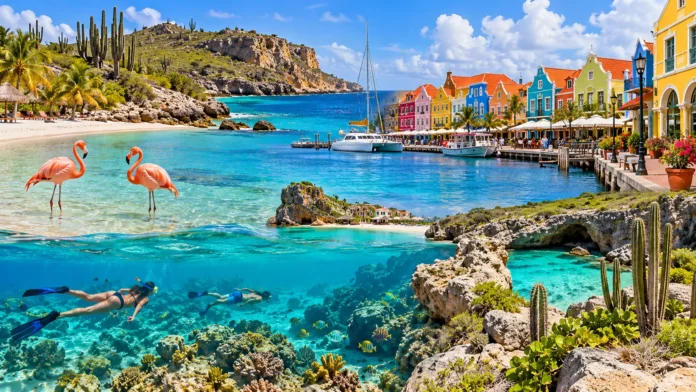
The ABC Islands are among the most beautiful destinations in the southern Caribbean, offering crystal-clear waters, colorful architecture, tropical beaches, and fascinating cultural experiences. Aruba, Bonaire, and Curaçao each have their own distinctive atmosphere, making them attractive destinations for beach lovers, nature enthusiasts, and travelers interested in island adventures. Their warm climate and diverse attractions create opportunities for memorable vacations throughout the year.
This ABC Islands travel guide explores the best things to do and see across all three islands. From Aruba’s famous white-sand beaches to Bonaire’s protected marine environments and Curaçao’s colorful historic neighborhoods, the islands provide a wonderful combination of relaxation, sightseeing, and outdoor experiences.
Whether you are planning a family vacation, a Caribbean island-hopping adventure, or a relaxing tropical getaway, understanding what each island offers can help you build a suitable itinerary. This guide covers popular attractions, beautiful beaches, cultural landmarks, the best time to visit, transportation, and practical travel tips for exploring the ABC Islands.
Where Are the ABC Islands Located?
The ABC Islands are located in the southern Caribbean Sea, just north of the coast of Venezuela. The group consists of Aruba, Bonaire, and Curaçao, three islands with strong historical and cultural connections to the Netherlands. Despite their geographical proximity, each destination offers different landscapes, attractions, and travel experiences.
Aruba is the westernmost island and is especially well known for its sandy beaches, resort areas, and relatively dry climate. Bonaire lies farther east and attracts visitors interested in marine conservation, snorkeling, and diving. Curaçao, located between the other two islands, combines beautiful coastal scenery with historic architecture and lively cultural neighborhoods.
Although the three islands share some cultural influences, their political arrangements are different. Aruba and Curaçao are constituent countries within the Kingdom of the Netherlands, while Bonaire is a special municipality of the Netherlands. Understanding these differences is useful because entry procedures, local regulations, and visitor requirements may vary between the islands.
1. Explore Aruba’s Famous Eagle Beach
Eagle Beach is one of Aruba’s most recognizable attractions, known for its soft white sand, clear turquoise water, and open coastal scenery. The beach provides a beautiful setting for relaxing, walking, and enjoying Caribbean sunshine. Its wide shoreline and attractive natural surroundings make it popular among both international visitors and local residents.
Visitors can enjoy swimming in designated areas when conditions are suitable or spend time appreciating the coastal views. The beach is also famous for its distinctive fofoti trees, which create a recognizable feature in photographs. Nearby accommodations and facilities make Eagle Beach convenient for travelers seeking a comfortable beach experience.
Eagle Beach can become busy during popular travel periods, although its spacious shoreline often provides room to spread out. Early morning visits can offer a peaceful atmosphere and pleasant temperatures. Always observe swimming conditions and local warnings because currents can be stronger than they appear, even when the sea looks relatively calm.
2. Discover Arikok National Park in Aruba
Arikok National Park covers a significant portion of Aruba and introduces visitors to the island’s rugged natural landscapes. Unlike the coastal resort areas, the park features desert vegetation, rocky hills, limestone formations, and dramatic coastal scenery. It is an excellent destination for travelers who want to experience Aruba beyond its famous beaches.
Popular attractions include Fontein Cave, Guadirikiri Cave, and several scenic viewpoints overlooking the surrounding landscape. Visitors can explore designated walking routes and observe the island’s distinctive plants and geological formations. The park also contains the Natural Pool, a rocky coastal formation where access and swimming conditions require special attention.
Some park roads are rough, and certain areas may require a suitable vehicle or guided transportation. Travelers should follow designated routes, observe park regulations, and avoid entering the sea where conditions are hazardous. Starting outdoor activities earlier in the day can also make exploring more comfortable during Aruba’s warmer weather.
3. Visit Oranjestad for Shopping and Culture
Oranjestad is Aruba’s capital and an attractive destination for visitors interested in colorful architecture, local shopping, and cultural experiences. The city features brightly painted buildings, traditional Caribbean influences, and a lively waterfront atmosphere. Exploring its central streets provides an opportunity to discover another side of Aruba beyond the island’s beach resorts.
Visitors can explore historic landmarks, museums, shopping areas, and restaurants serving different cuisines. The city also offers opportunities to learn about Aruba’s history and its connections to the wider Caribbean region. Walking through the central districts allows travelers to appreciate colorful building designs and discover smaller local businesses.
Oranjestad is particularly convenient for visitors arriving by cruise ship or staying near Aruba’s western coast. Comfortable walking shoes and sun protection can make sightseeing more enjoyable. Combining a city visit with nearby coastal attractions provides a balanced itinerary featuring both cultural exploration and beach relaxation.
4. Experience Bonaire’s Beautiful Underwater World
Bonaire is internationally recognized for its marine environments and strong commitment to protecting coral reefs. The waters surrounding Bonaire and Klein Bonaire form part of the Bonaire National Marine Park. This protected environment supports numerous fish species, coral formations, and other marine organisms that attract underwater enthusiasts.
Visitors can discover the island’s underwater scenery through guided snorkeling experiences or appropriately supervised recreational diving. Several locations offer opportunities to observe colorful reef fish and marine habitats. Klein Bonaire, a small uninhabited island offshore, is another popular destination for exploring coastal scenery and enjoying the marine environment.
Protecting the reefs is an important part of visiting Bonaire responsibly. Travelers should avoid touching coral, disturbing wildlife, or standing on sensitive underwater habitats. Marine park access requirements and conservation fees may apply, so visitors should review current regulations before arranging snorkeling, diving, or other water activities.
5. Visit Washington Slagbaai National Park
Washington Slagbaai National Park is one of Bonaire’s most important protected natural areas. Located in the northern part of the island, it features rugged hills, rocky coastal landscapes, dry vegetation, and important wildlife habitats. The park offers a different perspective on Bonaire beyond its internationally known underwater attractions.
Visitors can explore designated scenic routes, enjoy wildlife observation, and discover locations such as Boca Slagbaai. The park is particularly interesting for birdwatching, with opportunities to observe several native and migratory species. Its landscapes also demonstrate how plants and animals adapt to the island’s relatively dry Caribbean environment.
Visiting the park requires careful planning because roads can be rough and facilities are limited in some areas. A suitable high-clearance vehicle is generally necessary for its driving routes, and access may be affected by rainfall. Travelers should check current opening hours, entry requirements, and road conditions before departing.
6. Explore Kralendijk, the Capital of Bonaire
Kralendijk is Bonaire’s small, colorful capital, located along the island’s western coastline. Its relaxed atmosphere, waterfront streets, and pastel-colored buildings make it an enjoyable place to explore. Compared with larger Caribbean tourist cities, Kralendijk offers a quieter environment where visitors can discover local shops, restaurants, and cultural attractions.
Walking along the waterfront provides beautiful views of the Caribbean Sea and passing boats. Visitors can also explore small museums, public spaces, and businesses featuring locally inspired products. The compact town center makes it convenient to combine sightseeing with a relaxed café visit or a meal featuring Caribbean flavors.
Kralendijk is a useful base for travelers planning to explore Bonaire’s beaches, marine attractions, and nature reserves. Accommodation options range from small guesthouses to larger vacation properties. Travelers interested in a peaceful island experience may particularly appreciate Bonaire’s slower pace and emphasis on outdoor recreation.
7. Discover Willemstad, Curaçao’s Colorful Capital
Willemstad is one of the most visually distinctive cities in the Caribbean, known for its colorful colonial-era buildings and historic waterfront. The city’s central historic areas are recognized as a UNESCO World Heritage Site. Its architecture reflects a fascinating combination of Dutch, Caribbean, and other cultural influences developed over several centuries.
The Handelskade waterfront is among Willemstad’s most photographed attractions, featuring brightly colored buildings overlooking the harbor. Visitors can also explore the Queen Emma Bridge, which connects the Punda and Otrobanda districts. Walking through these neighborhoods provides opportunities to discover historic streets, public art, restaurants, and local shops.
Willemstad is particularly appealing to travelers who enjoy combining urban sightseeing with coastal relaxation. The city’s compact historic districts can be explored on foot, although warm temperatures make regular breaks helpful. Spending at least a day discovering its architecture, museums, and cultural atmosphere can provide a memorable introduction to Curaçao.
8. Relax at Curaçao’s Beautiful Beaches
Curaçao features numerous attractive beaches, ranging from sheltered coves to larger coastal destinations with visitor facilities. The island’s varied shoreline creates opportunities for swimming, beach photography, and relaxing near turquoise water. Some beaches are surrounded by rocky landscapes, while others provide soft sand and convenient access to restaurants or nearby accommodations.
Grote Knip, also known as Playa Kenepa Grandi, is particularly famous for its beautiful water and scenic surroundings. Cas Abao Beach is another popular destination, offering coastal views and facilities for visitors. Playa Porto Mari also attracts travelers interested in enjoying the island’s marine environment and peaceful beach atmosphere.
Beach conditions and available facilities can differ considerably between locations. Some beaches charge admission or provide paid amenities, while others offer simpler surroundings. Visitors should check swimming conditions, respect protected marine habitats, and bring appropriate sun protection when spending extended periods along Curaçao’s coast.
9. Explore Christoffel National Park in Curaçao
Christoffel National Park is an important natural attraction located in the northwestern part of Curaçao. The park protects diverse landscapes, native vegetation, and wildlife habitats. It is especially appealing to travelers interested in discovering the island’s natural environment beyond its beaches and historic neighborhoods.
Christoffel Mountain is one of the park’s most recognizable features and the highest point on Curaçao. Visitors can appreciate the surrounding scenery from designated viewpoints and explore approved walking routes. The park also offers opportunities to learn about local ecology, conservation efforts, and the island’s historical landscape.
Outdoor activities should be planned around the island’s warm conditions and park access rules. Certain walking routes may have time restrictions to reduce exposure to midday heat. Travelers should check official guidance, choose activities appropriate to their abilities, and consider guided options when unfamiliar with the terrain.
10. Visit Shete Boka National Park
Shete Boka National Park is another impressive natural destination on Curaçao, famous for its dramatic northern coastline. Powerful waves crash against rocky cliffs and limestone formations, creating spectacular scenery. The park provides an opportunity to experience a more rugged side of the island compared with its sheltered southern beaches.
Popular features include Boka Tabla, where visitors can observe waves entering a coastal cave from designated viewing areas. Other scenic locations reveal rocky bays and ocean views shaped by continuous wave action. The landscape offers excellent opportunities for nature photography and appreciating the geological character of Curaçao’s coastline.
Unlike the island’s calmer swimming beaches, much of Shete Boka’s shoreline is unsuitable for entering the water. Strong waves and unpredictable conditions can make exposed areas dangerous. Visitors should remain on designated paths and viewpoints, follow posted warnings, and avoid approaching cliff edges or powerful surf.
Best Time to Visit the ABC Islands
The ABC Islands have warm tropical climates throughout the year, making them appealing destinations across different seasons. They are generally located south of the Caribbean’s main hurricane belt, although severe weather and heavy rainfall remain possible. Local conditions can also vary between the islands and throughout the year.
The period from approximately January through September is often relatively dry, with differences depending on the location. Rainfall becomes more common during parts of the later year, although showers do not necessarily continue throughout the day. Aruba is particularly known for its dry landscape and consistent trade winds.
The best travel season depends on your preferred activities, accommodation budget, and tolerance for warmer weather. Peak winter travel periods often attract visitors seeking sunshine, while quieter months may provide different accommodation options. Checking weather forecasts and seasonal tourism patterns can help you select travel dates that suit your plans.
How to Travel Between Aruba, Bonaire, and Curaçao
Traveling between the ABC Islands usually involves regional flights, as regular passenger ferry connections between all three islands are not generally available. Flight schedules and routes can change, so travelers should verify available services before booking separate accommodations. Curaçao can serve as a useful connection point for certain regional itineraries.
Because the islands have separate entry arrangements, travelers should check passport, visa, and immigration requirements for each destination. Aruba requires an approved online ED Card for arriving travelers, while Curaçao and Bonaire have their own visitor procedures. Requirements may depend on nationality, travel purpose, and current immigration regulations.
Island hopping can be rewarding, but frequent transfers may reduce the time available for sightseeing. Allow sufficient flexibility for airport procedures, flight changes, and transportation to accommodation. Travelers with a shorter vacation may enjoy exploring one island thoroughly rather than attempting to visit all three during a limited period.
What to Eat in the ABC Islands
The ABC Islands offer a rich mixture of Caribbean, Dutch, Latin American, and local culinary influences. Traditional dishes often feature seafood, vegetables, stews, and familiar regional ingredients. Exploring local restaurants and food markets provides an enjoyable way to experience the cultural connections shared by the islands.
Keshi yena is a well-known dish associated with the Dutch Caribbean, traditionally made with cheese and a savory filling. Visitors may also encounter pastechi, a popular filled pastry, and fresh fish prepared in different local styles. Recipes vary between families, restaurants, and islands, creating opportunities to discover different regional interpretations.
Aruba, Bonaire, and Curaçao each offer casual dining establishments alongside restaurants serving international cuisine. Local bakeries, markets, and neighborhood eateries can provide alternatives to resort dining. Travelers with food allergies or dietary restrictions should check ingredients carefully, especially when trying unfamiliar traditional dishes.
How Many Days Do You Need for an ABC Islands Trip?
The ideal length of an ABC Islands vacation depends on how many destinations you want to explore. A five-to-seven-day stay can provide enough time to enjoy one island’s main attractions at a relaxed pace. Travelers focusing on beach activities and occasional sightseeing may find this approach particularly convenient.
Visiting two islands generally works better with approximately ten to fourteen days, depending on flight schedules and planned activities. For example, a combination of Aruba and Curaçao can provide both resort beaches and historic city exploration. Bonaire may appeal to travelers who want more time for nature-focused activities and marine experiences.
Exploring all three islands comfortably may require two to three weeks, particularly when accounting for transportation between destinations. A longer itinerary allows time for beaches, museums, scenic areas, and cultural experiences without constantly changing accommodation. Prioritizing attractions based on your interests can help create a balanced and enjoyable Caribbean vacation.
Practical Travel Tips for Visiting the ABC Islands
Before traveling, verify the entry requirements that apply to your nationality and each island on your itinerary. Make sure your passport, travel documents, and insurance arrangements meet the relevant requirements. Entry forms, tourism charges, and environmental fees may change, so checking official information shortly before departure is important.
Transportation needs vary between destinations. Aruba offers taxis, buses, and rental vehicles, while exploring remote parts of Bonaire or Curaçao may be easier with suitable private transportation. Driving conditions and rental vehicle restrictions should be reviewed before visiting national parks or less-developed coastal areas.
Pack lightweight clothing, comfortable walking shoes, drinking water, and appropriate sun protection for outdoor activities. Respect local communities and environmental rules, especially around coral reefs, nesting areas, and protected wildlife. Thoughtful preparation can make the journey more comfortable while helping preserve the natural attractions that make these Caribbean islands special.
Conclusion
The ABC Islands offer a wonderful combination of beautiful beaches, colorful cities, protected natural landscapes, and memorable cultural experiences. Aruba is known for its sandy coastlines and resort atmosphere, Bonaire attracts nature and marine enthusiasts, and Curaçao combines historic architecture with scenic beaches. Each island provides a distinctive Caribbean travel experience.
Planning a successful ABC Islands vacation begins with choosing destinations that match your interests and available time. Whether you prefer beach relaxation, cultural sightseeing, or guided nature activities, the islands offer numerous opportunities to explore. Considering seasonal weather, transportation, and visitor requirements can help create a smoother itinerary.
From Eagle Beach and Arikok National Park to Klein Bonaire and Willemstad, there are many remarkable places worth discovering. Take time to appreciate local traditions, explore responsibly, and enjoy the natural beauty of each destination. With thoughtful planning, an ABC Islands trip can become a memorable Caribbean adventure.
Frequently Asked Questions
What Are the ABC Islands in the Caribbean?
The ABC Islands are Aruba, Bonaire, and Curaçao, located in the southern Caribbean near Venezuela. They share Dutch Caribbean historical connections but offer different landscapes, attractions, cultural experiences, and visitor requirements.
Which ABC Island Is Best for First-Time Visitors?
Aruba is a popular option for first-time visitors interested in beaches and established tourist facilities. Curaçao offers additional cultural sightseeing, while Bonaire is especially appealing to nature and marine enthusiasts.
What Is the Best Time to Visit the ABC Islands?
The islands can be visited throughout the year thanks to their warm climates. Relatively dry conditions are common during much of the first half of the year, although weather patterns vary.
Can You Visit All Three ABC Islands in One Trip?
Yes, travelers can visit Aruba, Bonaire, and Curaçao during one vacation. Regional flights provide connections, but schedules vary, so additional travel days and careful transportation planning are recommended.
Do You Need a Passport to Visit the ABC Islands?
International visitors generally need a valid passport, and some nationalities require visas or additional travel authorizations. Each island has its own entry procedures, so confirm requirements before departure.

