
Why Europe Is Perfect for a City Break
Europe is ideal for city breaks because many destinations combine history, food, architecture, museums, shopping, and nightlife within compact areas. Travelers can spend a long weekend exploring famous landmarks while still having time for cafés, neighborhoods, and local markets. Efficient rail and air connections also make it easy to combine several European cities within one longer trip.
Each city offers a different atmosphere. Paris is known for art and elegant streets, Rome for ancient history, Barcelona for architecture and Mediterranean energy, and Prague for medieval charm. Whether you prefer romantic escapes, cultural weekends, affordable breaks, or food-focused travel, Europe offers cities that match almost every style and budget.
The best city break is not always the most famous destination. Smaller capitals and regional cities can provide excellent food, fewer crowds, and a more relaxed pace. Choosing the right destination depends on season, budget, travel time, and personal interests, so it helps to understand what makes each city distinctive before booking.
Paris for Art, Food, and Classic Romance
Paris remains one of Europe’s most popular city-break destinations because it combines famous landmarks with endless opportunities for slower exploration. The Eiffel Tower, Louvre, Seine, and historic neighborhoods provide plenty for first-time visitors. However, the city becomes more rewarding when you also spend time in cafés, gardens, markets, and quieter residential streets.
Food is a major part of the Paris experience. Bakeries, cheese shops, neighborhood restaurants, and pastry counters make even simple meals memorable. Instead of filling every day with museums, leave space for a long lunch or afternoon coffee. This slower rhythm helps the city feel less like a checklist and more like a genuine travel experience.
Three or four days is enough for a strong introduction, although longer stays allow you to explore beyond central highlights. Walking between neighborhoods such as the Latin Quarter, Le Marais, and Montmartre reveals very different sides of Paris. Comfortable shoes and a flexible itinerary are especially useful because the city rewards spontaneous discoveries.
Rome for Ancient History and Italian Food
Rome is one of the best European cities for travelers who want history around almost every corner. The Colosseum, Roman Forum, Pantheon, fountains, churches, and grand squares create an extraordinary open-air experience. Ancient ruins often sit beside modern roads and lively cafés, making the city feel like a place where different historical periods remain visible at once.
Food provides another major reason to visit. Traditional Roman pasta dishes, pizza, gelato, espresso, and casual neighborhood restaurants make eating part of the sightseeing experience. Popular attractions can become crowded, so starting early and reserving major sites where possible helps create more relaxed days with enough time for long meals and evening walks.
Rome is best explored on foot, although distances can add up quickly. Group nearby attractions together rather than crossing the city repeatedly. Spend at least three days for the major sights, and consider four or five if you also want time for Vatican City, quieter neighborhoods, and an evening dedicated to simply wandering without a fixed plan.
Barcelona for Architecture and Mediterranean Energy
Barcelona blends historic streets, bold architecture, beaches, markets, and a lively food culture. The city is especially famous for the work of Antoni Gaudí, including the Sagrada Família and other distinctive buildings. These landmarks give Barcelona an identity that feels very different from other major European city-break destinations and makes architectural sightseeing unusually memorable.
The old quarters provide another side of the city. Narrow streets, hidden squares, tapas bars, and local shops create excellent walking routes, while the waterfront offers a more open Mediterranean atmosphere. Travelers can combine cultural sightseeing with beach time, making Barcelona a strong choice for people who want both an urban break and relaxed coastal moments.
Three to four days works well for most first-time visitors. Reserve time for major architectural attractions, but avoid spending the entire trip moving between famous sites. Markets, neighborhood cafés, evening tapas, and seaside walks can be just as rewarding. Barcelona feels best when sightseeing is balanced with enough time to enjoy its slower Mediterranean rhythm.
Prague for Fairytale Streets and Affordable Charm
Prague is one of Europe’s most atmospheric city-break destinations, known for Gothic towers, historic bridges, colorful buildings, and winding streets. The Old Town, Charles Bridge, and Prague Castle create a dramatic setting that feels especially beautiful early in the morning or after sunset. The compact center also makes the city relatively easy to explore on foot.
Compared with some western European capitals, Prague can offer strong value, particularly for food, accommodation, and local transportation. Traditional restaurants, cafés, and beer halls provide an enjoyable introduction to Czech culture. Staying slightly outside the busiest Old Town streets can also give you better prices and a quieter atmosphere without sacrificing convenience.
Two or three days can cover the main highlights, while four allows for a slower pace. Walk beyond the most crowded landmarks and explore nearby neighborhoods, parks, and riverside areas. Prague is especially rewarding for photographers and travelers who enjoy historic architecture, but its food, nightlife, and compact layout make it suitable for many different travel styles.
Lisbon for Hills, Views, and Colorful Streets
Lisbon is an excellent city-break choice for travelers who enjoy viewpoints, historic trams, tiled façades, seafood, and relaxed neighborhoods. The city is built across hills, which means many streets offer unexpected views toward the Tagus River. Its combination of historic architecture and bright Mediterranean light gives Lisbon a distinctive visual character.
Neighborhoods such as Alfama, Baixa, and Bairro Alto each provide different experiences. Some areas are ideal for quiet morning walks, while others become livelier after dark. Traditional pastries, grilled seafood, and small cafés add to the appeal, making food exploration easy to combine with sightseeing throughout the day.
Comfortable footwear is essential because Lisbon’s hills and cobbled streets can be tiring. Three days is enough for a compact city break, while four or five allows time for a nearby excursion. Travelers who enjoy slower mornings, scenic viewpoints, and evening dining often find Lisbon particularly easy to appreciate without an overly detailed schedule.
Amsterdam for Canals, Museums, and Easy Exploring
Amsterdam is one of Europe’s most convenient city breaks because many attractions are concentrated around a compact network of canals and historic neighborhoods. Visitors can walk or cycle between museums, cafés, markets, and waterfront streets. The canals create a distinctive atmosphere that makes even an ordinary walk through the city feel scenic.
Museums are a major reason to visit, especially for travelers interested in art and history. However, Amsterdam is equally enjoyable outside its formal attractions. Canal-side neighborhoods, parks, local bakeries, and small independent shops create plenty of opportunities for relaxed exploration between scheduled museum visits.
Two or three days can provide a strong introduction, though four days feels more comfortable if museums are a priority. Cycling can be enjoyable for confident riders, but pedestrians should remain aware of bike lanes. Staying slightly outside the busiest central area can also provide a quieter experience while maintaining easy access through public transportation.
Vienna for Palaces, Music, and Elegant Cafés
Vienna combines imperial architecture, grand palaces, classical music, museums, and a famous café culture. The city feels polished and organized, making it a comfortable choice for travelers who enjoy cultural attractions without the constant intensity of a larger capital. Historic buildings and wide boulevards also make central sightseeing particularly impressive.
Palaces and museums can easily fill several days, but Vienna’s cafés are just as important to the experience. Sitting down for coffee and cake provides a natural pause between attractions. Traditional restaurants, markets, and concert venues add variety, allowing visitors to balance formal cultural sightseeing with more relaxed local experiences.
Three days is enough for major highlights, while four or five gives more time for museums, parks, and evening performances. Vienna works especially well in colder months when indoor attractions and cafés become even more appealing. Its reliable transportation system also makes it easy to move between central landmarks without needing complicated daily planning.
Budapest for Thermal Baths and Danube Views
Budapest is one of Europe’s most enjoyable cities for travelers who want grand architecture, river scenery, nightlife, and good value. The Danube divides the city into Buda and Pest, each offering different attractions and viewpoints. Historic bridges, Parliament, hilltop landmarks, and riverside promenades create some of the city’s most memorable scenery.
Thermal baths are a major part of the Budapest experience and provide an unusual break from traditional sightseeing. After walking through historic districts, spending time in warm pools can be especially relaxing. The city is also known for cafés, markets, traditional dishes, and lively evening areas that make it attractive to younger travelers and couples.
Three days works well for a first visit, while four allows more time to enjoy baths and neighborhoods without rushing. Walking along the river after dark is particularly rewarding when major buildings are illuminated. Budapest is often a strong choice for travelers seeking a visually impressive European capital without the higher costs found in some western cities.
Florence for Renaissance Art and Walkable Beauty
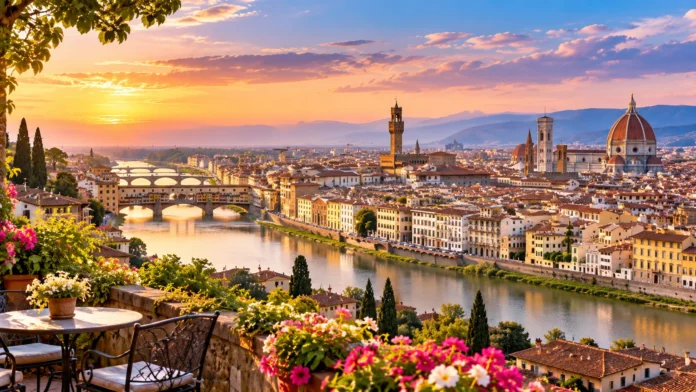
Florence is one of the best city breaks for travelers interested in art, architecture, and Italian food. The historic center is compact, making it easy to walk between churches, museums, bridges, markets, and famous squares. Renaissance buildings and sculpture give the city an extraordinary concentration of cultural attractions within a relatively small area.
Major museums can require significant time, so choose them carefully instead of trying to see everything. Between cultural visits, enjoy simple meals, coffee, gelato, and walks along the Arno River. Views from elevated areas outside the busiest streets can also provide a beautiful perspective over the city’s red rooftops and historic skyline.
Two or three days can work for a short break, but four days feels more relaxed. Florence is particularly rewarding when you allow time for both famous masterpieces and everyday details. Markets, small streets, evening walks, and slow meals help balance the intensity of museum-heavy sightseeing and make the city feel more personal.
Copenhagen for Design, Food, and Waterfront Style
Copenhagen is a great city-break destination for travelers who appreciate design, cycling culture, waterfront scenery, and modern food. The city feels clean, compact, and easy to navigate, with colorful harbor areas, historic buildings, parks, and contemporary architecture all within relatively manageable distances.
Nyhavn is one of the most recognizable areas, but exploring beyond it reveals creative neighborhoods, bakeries, markets, and residential streets. Copenhagen’s food scene ranges from simple pastries and open sandwiches to more ambitious modern dining. Even casual cafés often reflect the city’s emphasis on thoughtful design and quality ingredients.
Two or three days works well for most visitors, although a longer stay allows for nearby excursions. The city can be more expensive than many European destinations, so booking accommodation early and mixing restaurant meals with bakeries or markets can help manage costs. Copenhagen suits travelers who prefer calm urban experiences over heavily packed sightseeing schedules.
Seville for Sunshine and Andalusian Culture
Seville is one of Europe’s most attractive city breaks for travelers who enjoy warm weather, colorful architecture, traditional food, and lively public spaces. Grand historic buildings, orange trees, tiled courtyards, and narrow streets create a strong Andalusian character. The city also has a slower pace that encourages long meals and relaxed evening walks.
Flamenco culture adds another dimension to the experience. Visitors can combine historic attractions with evening performances, tapas, and neighborhood exploration. Many of Seville’s most memorable moments come after sunset when temperatures become more comfortable and plazas fill with people dining and socializing outdoors.
Spring and autumn are especially appealing because summer can become extremely hot. Three days is enough for the main attractions, while four allows for a slower experience. Seville is an excellent option for travelers seeking a warmer European city break with strong regional identity, good food, and beautiful architecture.
Edinburgh for History and Dramatic City Views
Edinburgh offers a striking combination of medieval streets, historic landmarks, museums, pubs, and dramatic viewpoints. The Old Town feels atmospheric in almost any weather, while Edinburgh Castle dominates the skyline from its elevated position. The city’s compact center makes it easy to experience major highlights within a long weekend.
Walking is the best way to understand Edinburgh’s character. Narrow closes, stone buildings, grand Georgian streets, and hilltop views create constant visual variety. Traditional pubs and cafés offer comfortable breaks, especially during cooler or rainy weather. Travelers who enjoy literature, history, and architecture often find the city particularly rewarding.
Three days works well for a city break, though extra time allows for museums and nearby excursions. Weather can change quickly, so waterproof layers are useful throughout much of the year. Edinburgh’s atmosphere feels especially strong in autumn and winter, while summer offers longer days and a busier calendar of cultural events.
How to Choose the Best European City Break
Start by deciding what kind of experience matters most. Art lovers may prefer Paris, Florence, or Vienna, while travelers focused on nightlife and food might choose Barcelona, Budapest, or Lisbon. Those interested in historic streets and romantic scenery could prioritize Prague, Edinburgh, or Rome depending on budget and season.
Travel time also matters during a short break. A city with direct flights and a compact center may provide better value than a destination requiring several connections. Consider airport transfers, local transportation, and how much time major attractions require before choosing a city for only two or three nights.
Season can completely change the experience as well. Southern cities may be more comfortable outside peak summer, while northern destinations can feel especially atmospheric during winter. Choosing a city that matches both your interests and the time of year helps create a more enjoyable trip without forcing you to adapt to inconvenient weather or crowds.
Conclusion
The best cities to visit in Europe offer different combinations of history, food, architecture, art, nightlife, and local culture. Paris, Rome, Barcelona, Prague, Lisbon, Amsterdam, Vienna, Budapest, Florence, Copenhagen, Seville, and Edinburgh all provide strong city-break experiences with distinctive personalities.
Your ideal destination depends on the kind of trip you want. Romantic travelers may prefer Paris or Prague, culture-focused visitors might choose Florence or Vienna, and food lovers can find plenty to enjoy in Rome, Lisbon, Barcelona, or Seville. Budget, season, and available travel time should also guide the decision.
Rather than trying to fit several capitals into a rushed weekend, choose one city and explore it properly. Leave room for cafés, markets, evening walks, and unplanned discoveries alongside major landmarks. A slower city break often produces better memories and gives you a stronger sense of the place you came to experience.
FAQs
What is the best European city for a first-time visitor?
Paris, Rome, and Barcelona are excellent choices because they combine famous landmarks, strong food cultures, and easy sightseeing. The best option depends on whether you prefer art, history, architecture, or Mediterranean atmosphere.
Which European city is best for a cheap city break?
Prague and Budapest are often good-value options compared with more expensive western and northern capitals. Accommodation, food, and local transportation can be relatively affordable, especially outside peak travel periods.
What is the best European city for couples?
Paris, Prague, Florence, Lisbon, and Vienna are popular with couples because of their walkable historic centers, scenic viewpoints, restaurants, cafés, and romantic evening atmosphere.
How many days do you need for a European city break?
Two to four days works well for many European cities. Larger destinations such as Paris or Rome benefit from at least four days, while compact cities can be enjoyable over a long weekend.
Which European city is best for food lovers?
Rome, Barcelona, Lisbon, Florence, Paris, and Seville are all excellent food destinations. Each offers distinctive local dishes, markets, cafés, and restaurants that make dining an important part of the travel experience.

