
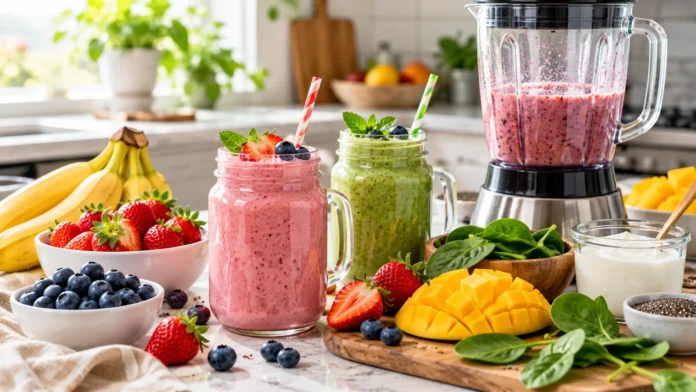
How to Make Smoothies at Home
Making smoothies at home is an easy way to enjoy fresh fruits, vegetables, and other everyday ingredients in a refreshing drink. You do not need complicated cooking skills or expensive equipment to prepare a delicious homemade smoothie. A blender, your favorite ingredients, and a few minutes are usually enough. Whether you prefer fruity, creamy, or refreshing flavors, homemade smoothies offer plenty of possibilities.
Smoothies are popular because they allow different ingredients to blend into one convenient drink. Bananas, strawberries, mangoes, yogurt, milk, and leafy greens can all be combined according to personal preferences. You can also experiment with oats, seeds, and nut butters for additional flavor and texture. The ingredients you select determine the smoothie’s taste, consistency, and nutritional qualities.
Learning how to make smoothies at home begins with understanding the right balance of fruit, liquid, and optional additions. Too much liquid can make a smoothie watery, while too many frozen ingredients may make blending difficult. Simple measurements and proper blending techniques help achieve a pleasant consistency. With practice, you can prepare different smoothie recipes for breakfast, snacks, or warm afternoons.
Why Making Smoothies at Home Is a Great Idea
Homemade smoothies allow you to choose the ingredients according to your taste and dietary preferences. Instead of depending on ready-made drinks, you can experiment with fresh produce and ingredients already available in your kitchen. This flexibility makes it easier to adjust flavors and textures. You can prepare a simple fruit smoothie or combine several ingredients for something different.
Another advantage is convenience because most smoothies require very little preparation. Washing fruit, measuring liquid, and blending ingredients can usually be completed within a few minutes. Frozen fruit can make the process even easier by reducing the need for peeling and chopping. Smoothies are therefore useful when you want a quick homemade drink.
Preparing smoothies at home also gives you control over added sweeteners and other ingredients. Many fruits contain natural sugars that contribute enough sweetness without additional syrup or sugar. You can select milk, yogurt, or dairy-free alternatives according to your needs. This makes homemade smoothies adaptable to different preferences without requiring complicated recipes.
What Ingredients Do You Need for Homemade Smoothies?
The basic ingredients for a homemade smoothie include fruit, a liquid base, and optional ingredients for texture. Bananas, berries, mangoes, and peaches are common choices because they blend easily and add natural sweetness. Milk, water, yogurt, and plant-based beverages can help the ingredients blend smoothly. The combination depends on the flavor and consistency you prefer.
For a simple smoothie serving, begin with approximately one cup of fruit and half a cup of liquid. You can add more liquid gradually until the mixture reaches your preferred thickness. Yogurt or a small amount of nut butter can make the drink creamier. These measurements are flexible and can be adjusted for different ingredients.
Optional additions include oats, chia seeds, flaxseeds, cinnamon, and leafy vegetables such as spinach. These ingredients can change the smoothie’s taste, texture, and nutritional composition. Choose combinations that complement one another instead of adding everything at once. Starting with a few familiar ingredients makes it easier to understand how each one affects the finished drink.
How to Choose the Best Fruits for Smoothies
Choosing the right fruits is important because they form the main flavor of most smoothie recipes. Ripe bananas are popular for their creamy texture and natural sweetness, while strawberries contribute a refreshing fruity taste. Mangoes, blueberries, pineapples, and peaches are also excellent options. Different combinations allow you to enjoy a wide range of flavors.
Fresh fruit works well when it is ripe and properly washed before blending. Frozen fruit is equally convenient and can make smoothies colder and thicker without adding ice. Store-bought frozen fruit often comes prepared and ready to use. Both options can be useful depending on availability, season, and personal preference.
Combining sweet fruits with slightly tart varieties can help balance the overall taste. For example, banana pairs well with strawberries, while mango complements pineapple. Avoid adding too many strongly flavored ingredients when trying a new recipe. A simple combination of two or three fruits is often enough for a pleasant homemade smoothie.
How to Choose the Right Liquid for Your Smoothie
Liquid is essential for helping smoothie ingredients move through the blender and combine evenly. Milk is a common choice because it contributes a creamy texture and mild flavor. Water works well for lighter fruit smoothies, while yogurt can add thickness. Plant-based beverages such as oat, soy, or almond milk are other options.
The amount of liquid affects how thick or thin the smoothie becomes. Adding too much at the beginning may produce a watery drink that is difficult to thicken. Start with a smaller amount and gradually add more during blending. This approach gives you greater control over the final consistency.
Different liquids also influence the taste and nutritional content of homemade smoothies. Dairy milk and fortified soy beverages may contribute protein, while other plant-based options vary considerably in composition. Unsweetened varieties can be helpful when you prefer less added sugar. Read ingredient labels when selecting a product for specific dietary needs.
How to Make a Basic Fruit Smoothie Step by Step
Begin by selecting approximately one cup of your favorite fruit, such as banana and strawberries. Wash fresh produce thoroughly and remove any inedible peels, stems, or large pits. Cut larger fruits into manageable pieces before placing them in the blender. Frozen fruit can be added directly when your blender is designed to handle it.
Pour approximately half a cup of milk, yogurt, or another suitable liquid into the blender. Add the prepared fruit and secure the blender lid before starting the machine. Blend until the ingredients combine into a smooth mixture without noticeable chunks. If the blender struggles, stop it safely and add a little more liquid.
Taste the smoothie after blending and adjust the flavor if necessary. Additional fruit can increase sweetness, while a little more liquid can make the drink easier to pour. Transfer the finished smoothie into a clean glass and serve immediately. This basic method works with many fruit combinations and is suitable for beginners.
How to Make a Banana Smoothie at Home
Banana smoothies are among the easiest homemade drinks because bananas blend smoothly and have a naturally sweet flavor. Their soft texture helps produce a creamy consistency without requiring complicated ingredients. A banana smoothie can be prepared with milk, yogurt, or a suitable plant-based alternative. It is a convenient option for a quick breakfast or afternoon snack.
To prepare one serving, use one ripe banana and approximately three-quarters of a cup of milk. Add a few spoonfuls of plain yogurt if you prefer a thicker texture. Place everything in a blender and mix until smooth. A small pinch of cinnamon or a drop of vanilla extract can add extra flavor.
For a colder smoothie, use frozen banana slices instead of fresh fruit. Peel and slice ripe bananas before freezing them in a suitable container. Frozen bananas make the drink thicker and give it a texture similar to a milkshake. Add liquid gradually because frozen ingredients may require additional help moving through the blender.
How to Make a Strawberry Smoothie
Strawberry smoothies are popular for their refreshing flavor and naturally colorful appearance. Fresh strawberries provide a slightly sweet and tart taste that pairs well with bananas and yogurt. Frozen strawberries also work well and help keep the drink cold. This simple recipe requires only a few ingredients and minimal preparation.
Use approximately one cup of washed strawberries, half a cup of milk, and one-third of a cup of plain yogurt. Remove the green tops from fresh strawberries before placing them in the blender. Blend the ingredients until they form a smooth, creamy mixture. You can add half a banana if you prefer additional natural sweetness.
The flavor of a strawberry smoothie depends partly on the ripeness of the fruit. Very tart strawberries may taste better when combined with a ripe banana or another sweet fruit. Avoid automatically adding large amounts of sugar before tasting the mixture. Adjusting the fruit combination is often enough to achieve a pleasant balance.
How to Make a Mango Smoothie at Home
Mango smoothies are loved for their tropical flavor, creamy consistency, and naturally sweet taste. Ripe mangoes blend easily and work well with milk, yogurt, or coconut-based beverages. Their smooth texture makes them suitable for simple recipes that require few additional ingredients. A homemade mango smoothie can be enjoyed during warm weather or whenever mangoes are available.
For one serving, combine one cup of ripe mango pieces with half a cup of milk. Add one-third of a cup of plain yogurt for additional creaminess. Blend until the mixture becomes smooth and evenly combined. A small amount of cardamom can add a distinctive flavor inspired by traditional mango drinks.
Frozen mango pieces are useful when fresh mangoes are unavailable or out of season. They also help produce a colder and thicker smoothie without needing extra ice. If the mixture becomes too thick, add a small amount of liquid and blend again. Serve the smoothie immediately for the best flavor and texture.
How to Make a Green Smoothie With Vegetables
Green smoothies combine fruits with leafy vegetables to make a refreshing drink containing a variety of ingredients. Spinach is commonly used because its mild flavor blends easily with sweet fruits. Kale is another option, although it has a stronger taste and firmer texture. Beginners often find spinach easier to incorporate into homemade smoothie recipes.
Start with one banana, half a cup of pineapple, a small handful of washed spinach, and approximately half a cup of water. Add the liquid first, followed by the leafy greens and fruit. Blend until the ingredients become smooth and no large pieces remain. Adjust the liquid gradually to achieve your preferred consistency.
Green smoothies do not need to contain complicated combinations or unusual ingredients. A small amount of leafy vegetables can be enough to introduce a different flavor and texture. Fruit helps balance the taste, making the drink enjoyable even for people unfamiliar with green smoothies. Washing produce carefully is important for safe preparation.
How to Make a Berry Smoothie at Home
Berry smoothies combine refreshing flavors from fruits such as blueberries, raspberries, strawberries, and blackberries. These fruits can be used individually or mixed together to create different tastes. Frozen berry mixtures are particularly convenient because they are easy to store and measure. Their naturally bright colors also make homemade smoothies visually appealing.
For a simple mixed berry smoothie, use one cup of berries, half a banana, and approximately three-quarters of a cup of milk. Add two tablespoons of yogurt if you want additional creaminess. Place the ingredients in the blender and mix until smooth. Some berries contain small seeds that may remain noticeable after blending.
If you prefer a thinner smoothie, increase the liquid slightly rather than blending for an unnecessarily long time. A ripe banana can balance the tartness of raspberries and blackberries. You can also experiment with vanilla yogurt for a different flavor. Berry smoothies are versatile and can be adjusted according to seasonal availability.
How to Make a Smoothie Without Milk
Milk is not essential for preparing a delicious homemade smoothie because several other liquids work equally well. Water, coconut water, and suitable plant-based beverages can help fruits blend into a refreshing drink. The finished texture depends on the ingredients and liquid quantity. Choosing the right combination makes dairy-free smoothie preparation straightforward.
For a simple milk-free smoothie, combine one banana, half a cup of strawberries, and half a cup of water. Add a few frozen mango pieces if you prefer a thicker texture. Blend everything until smooth and adjust the water as needed. This recipe has a refreshing fruity taste without requiring dairy ingredients.
For a creamier dairy-free smoothie, try blending fruit with unsweetened soy milk or another suitable plant-based beverage. Frozen bananas and nut butters can also contribute a smoother texture. Make sure any packaged ingredients fit your dietary needs and allergy requirements. Simple substitutions allow you to enjoy homemade smoothies in different ways.
How to Make Smoothies Thick and Creamy
The thickness of a smoothie depends on the amount of liquid and the texture of its ingredients. Frozen bananas, mangoes, and berries can make smoothies thicker because they contain less freely flowing liquid while frozen. Yogurt and nut butter can also contribute to creaminess. Combining these ingredients helps achieve a smooth, spoonable texture when desired.
Start with a small amount of liquid rather than filling the blender immediately. Add frozen fruit gradually and blend until the ingredients are evenly combined. If the mixture becomes difficult to blend, stop the machine and add more liquid. Avoid forcing the blender to process ingredients beyond its recommended capacity.
Oats and chia seeds can also influence smoothie texture by absorbing liquid over time. Adding a small amount may make the drink thicker, especially after standing briefly. However, excessive quantities can create a consistency you may not enjoy. Experiment with modest additions until you discover the texture that suits your preferences.
Common Mistakes to Avoid When Making Smoothies
One common mistake is adding too much liquid before blending the fruit. This can make the smoothie watery and reduce its creamy consistency. Another mistake is combining several strong flavors that do not complement one another. Beginning with simple recipes helps you understand which ingredients work well together.
Using unripe fruit can also affect the flavor of homemade smoothies. Unripe bananas, mangoes, or berries may taste less sweet and have a firmer texture. Overripe fruit can work well when it is still safe and free from spoilage. Choosing good-quality produce improves the overall taste without relying on excessive sweeteners.
Improper blender use is another problem that can interrupt smoothie preparation. Overfilling the container or blending large frozen pieces beyond the machine’s capacity may affect performance. Always secure the lid and follow the manufacturer’s instructions. Never reach into a blender while its blades could operate, and unplug it before cleaning around the blades.
How to Make Smoothies Without a Powerful Blender
A high-powered blender is convenient, but many basic household blenders can prepare simple fruit smoothies. The key is choosing soft ingredients and using enough liquid to support smooth blending. Ripe bananas, strawberries, and yogurt are generally easier to process than large frozen fruit pieces. Preparing ingredients carefully reduces strain on the appliance.
Cut fresh fruit into smaller pieces before adding it to the blender. Place the liquid inside first, followed by softer ingredients and then firmer pieces. Blend in short intervals if recommended by the appliance manufacturer. Stop the machine occasionally to check the consistency and add liquid when necessary.
If your blender is not designed for frozen ingredients, use fresh fruit or allow frozen fruit to soften slightly in the refrigerator. Avoid crushing hard ice with equipment that cannot safely process it. Smoothie preparation does not require complicated machinery when ingredients are selected appropriately. Basic equipment can still produce an enjoyable homemade drink.
How to Add Protein and Fiber to Homemade Smoothies
Smoothies can include ingredients that contribute protein and dietary fiber as part of a varied eating pattern. Plain yogurt, milk, fortified soy beverages, and nut butter are common ingredients that can contribute protein. Oats, fruit, chia seeds, and ground flaxseeds can add fiber. The amounts depend on your chosen ingredients and serving size.
For example, a banana smoothie can include plain yogurt and a spoonful of peanut butter for extra flavor and creaminess. Oats can be blended with berries and milk to give the drink a different texture. These additions are optional rather than necessary for every recipe. Choose ingredients that match your preferences and any dietary requirements.
It is important to remember that smoothies do not need to replace regular meals to be useful. They can be enjoyed alongside other foods as a snack, drink, or part of breakfast. Whole fruits, vegetables, and balanced meals remain important sources of nutrients. Variety helps support a satisfying and flexible approach to eating.
Best Tips for Preparing Smoothies in Advance
Preparing smoothie ingredients ahead of time can make busy mornings and afternoons easier. Washing fruit, removing peels, and dividing ingredients into portions reduces preparation work later. Freezer-safe containers or bags can hold suitable fruit combinations until needed. This approach is convenient for people who enjoy making smoothies regularly.
Bananas, berries, mangoes, and pineapple pieces are useful ingredients for freezer preparation. Divide them into portions and freeze them separately or as mixed combinations. When you want a smoothie, transfer the ingredients to a suitable blender and add your preferred liquid. Follow the appliance instructions when blending frozen produce.
Finished smoothies are generally best enjoyed soon after preparation because their texture and flavor can change during storage. If storing one for later, refrigerate it promptly in a clean, covered container and keep it at 40°F or 4°C or below. Use it within about 24 hours for best quality. Stir or shake gently before drinking if the ingredients separate.
How to Make Smoothies for Different Seasons
Smoothies can be prepared throughout the year by choosing fruits that are available during different seasons. In summer, mangoes, peaches, strawberries, and water-rich fruits are refreshing options. During colder months, bananas, citrus fruits, and frozen berries can work well. Seasonal ingredients make it easy to experiment with changing flavors.
Fresh produce is often especially enjoyable when it is ripe and in season. However, frozen fruit remains a practical alternative when certain ingredients are unavailable locally. Many frozen fruits are processed shortly after harvesting and are convenient for storage. Using a combination of fresh and frozen ingredients gives you flexibility.
You can also change the liquid and additional flavorings according to the season. Coconut water may feel refreshing during warmer weather, while cinnamon and vanilla can complement fruit combinations during cooler months. There is no need to follow a single recipe throughout the year. Exploring different ingredients keeps homemade smoothie preparation interesting.
How to Serve Homemade Smoothies Creatively
Homemade smoothies can be served in glasses, reusable bottles, or bowls depending on their consistency. A thinner fruit smoothie works well as a refreshing drink, while thicker mixtures can be enjoyed with a spoon. Choosing suitable serving containers makes the experience more convenient. Presentation can also add enjoyment to an otherwise simple recipe.
For smoothie bowls, use frozen fruit and less liquid to produce a thicker mixture. Transfer it to a bowl and add toppings such as sliced bananas, berries, oats, or chopped nuts. These additions introduce different textures and flavors. Serve the bowl immediately because frozen ingredients gradually soften at room temperature.
You can also prepare different smoothie flavors for family gatherings or casual occasions. Mango, strawberry, banana, and mixed berry smoothies are familiar choices that appeal to varied preferences. Clearly identify ingredients when serving people with food allergies. Offering several combinations allows everyone to select a flavor they enjoy.
Conclusion
Learning how to make smoothies at home is simple when you understand the basic combination of fruit, liquid, and optional ingredients. A blender and a few everyday foods are usually enough to prepare a refreshing drink. Bananas, berries, mangoes, yogurt, and milk are versatile choices for beginners. Adjusting ingredient amounts helps you achieve the flavor and texture you prefer.
Homemade smoothies can be customized with different fruits, vegetables, and additional ingredients throughout the year. Frozen fruit can improve thickness, while suitable liquids make blending easier. Gentle preparation, accurate measurements, and proper blender use contribute to consistent results. Experimenting with simple combinations helps you discover recipes that match your preferences.
Whether you enjoy a banana smoothie, strawberry smoothie, green smoothie, or tropical fruit blend, homemade preparation offers flexibility and convenience. Choosing fresh ingredients and following basic food safety practices supports an enjoyable experience. Smoothies can complement a varied eating routine without requiring complicated recipes. With a little practice, preparing delicious smoothies can become an easy part of your day.
Frequently Asked Questions (FAQs)
What Are the Basic Ingredients for Making a Smoothie?
The basic ingredients for a smoothie are fruit and a liquid such as milk, water, or yogurt. Optional additions include vegetables, oats, nut butter, and seeds for different flavors and textures.
Can I Make a Smoothie Without Yogurt?
Yes, smoothies can be made without yogurt by using milk, water, or suitable plant-based beverages. Frozen bananas, mangoes, and other fruits can help achieve a creamy texture without adding yogurt.
Is Fresh or Frozen Fruit Better for Smoothies?
Both fresh and frozen fruits work well for smoothies. Fresh fruit is convenient when ripe and available, while frozen fruit makes smoothies colder and thicker without requiring additional ice.
How Can I Make My Smoothie Thicker?
Use frozen bananas, mangoes, berries, or a small amount of yogurt to make smoothies thicker. Begin with less liquid and add more gradually until you reach your preferred consistency.
How Long Can I Store a Homemade Smoothie?
Homemade smoothies are best consumed soon after blending. If needed, refrigerate them promptly in a sealed container at 40°F or 4°C or below and enjoy within approximately 24 hours for best quality.

