
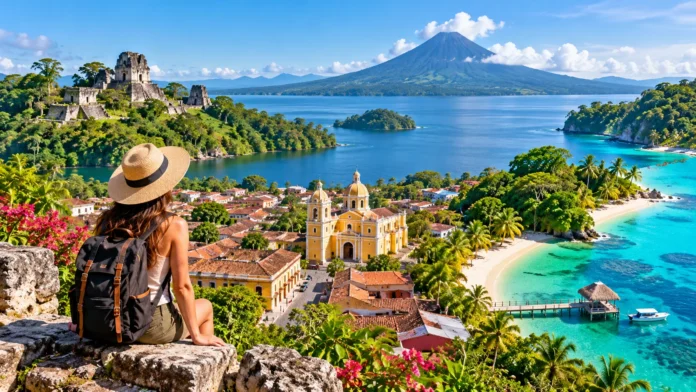
Central America is a beautiful region filled with tropical beaches, ancient ruins, colorful cities, and breathtaking natural landscapes. Located between North and South America, this destination offers unforgettable experiences for travelers who enjoy history, culture, wildlife, and outdoor adventures. This Central America travel guide explores the best places to visit and the experiences that make the region special.
The region includes seven countries: Belize, Guatemala, Honduras, El Salvador, Nicaragua, Costa Rica, and Panama. Each country has its own attractions, traditions, and natural wonders. Visitors can discover ancient Maya temples, explore tropical rainforests, relax on Caribbean islands, and admire impressive volcanoes. This diversity makes Central America an exciting destination for different types of travelers.
Whether you are planning your first international vacation or searching for new destinations, Central America offers plenty of memorable places to explore. This guide covers beautiful cities, national parks, beaches, and cultural attractions across the region. You will also learn about seasonal weather, transportation, and practical travel tips to help you plan a rewarding journey.
Why Should You Visit Central America?
Central America is known for its remarkable combination of natural beauty, cultural heritage, and outdoor experiences. The region connects two continents and features coastlines along both the Pacific Ocean and Caribbean Sea. Travelers can explore tropical forests, volcanic mountains, peaceful lakes, and coral reefs. These varied environments create opportunities for sightseeing, wildlife watching, and relaxation.
Another reason to visit Central America is its fascinating history. Ancient Maya archaeological sites, colonial-era architecture, and Indigenous cultural traditions reveal different chapters of the region’s past. Visitors can explore historic towns, traditional markets, and museums while learning about local communities. Each country offers a distinctive cultural experience shaped by its history and geography.
Central America also provides travel opportunities for different budgets and interests. Backpackers may enjoy guesthouses and public transportation, while other travelers prefer organized tours and comfortable resorts. Many destinations offer locally guided excursions and small accommodations. Planning carefully allows visitors to create a trip that matches their interests, available time, and travel budget.
Costa Rica: Best for Rainforests, Wildlife, and Beaches
Costa Rica is one of Central America’s most popular destinations for nature lovers. The country is famous for its tropical rainforests, national parks, and remarkable biodiversity. Visitors may encounter monkeys, sloths, colorful birds, and other wildlife in protected environments. Its combination of Pacific and Caribbean coastlines also provides excellent opportunities for beach vacations.
La Fortuna is a popular destination near Arenal Volcano, where travelers can explore scenic landscapes, waterfalls, and surrounding forests. Monteverde is another remarkable location, known for its misty cloud forests and rich natural environment. Visitors can explore established nature trails and join guided wildlife tours. These destinations provide memorable opportunities to appreciate Costa Rica’s biodiversity.
Beach lovers can explore places such as Manuel Antonio, Tamarindo, and Puerto Viejo. Manuel Antonio National Park combines coastal scenery with tropical wildlife, while Tamarindo offers a lively beach-town atmosphere. Puerto Viejo is known for its Caribbean culture and relaxed surroundings. Costa Rica is particularly rewarding for travelers who enjoy combining nature experiences with coastal relaxation.
Guatemala: Best for Ancient Ruins and Colonial Cities
Guatemala is a fascinating destination with ancient Maya archaeological sites, beautiful highlands, and historic cities. The country is particularly appealing to travelers interested in history and traditional culture. Its colorful markets, mountain landscapes, and impressive monuments create a distinctive atmosphere. Visitors can explore everything from ancient temples to peaceful lakes surrounded by volcanoes.
Antigua Guatemala is one of the country’s most famous destinations. This historic city features cobblestone streets, colorful buildings, traditional courtyards, and remarkable colonial-era architecture. Travelers can explore local markets, visit historic churches, and admire surrounding volcanoes. Antigua also serves as a convenient base for discovering nearby communities and scenic attractions.
Lake Atitlán is another highlight, surrounded by dramatic mountains and traditional lakeside villages. Travelers can visit communities around the lake and enjoy beautiful views of the surrounding landscape. Tikal National Park, located in northern Guatemala, contains extraordinary Maya ruins surrounded by tropical forest. These destinations showcase the country’s remarkable cultural and natural diversity.
Belize: Best for Caribbean Islands and Coral Reefs
Belize is an excellent destination for travelers who enjoy Caribbean beaches, tropical islands, and marine environments. The country is particularly famous for the Belize Barrier Reef, which supports diverse underwater wildlife. Visitors can explore coastal towns, relax beside clear water, and join organized snorkeling excursions. English is the official language, which can make communication convenient for many international visitors.
Ambergris Caye is one of Belize’s most popular island destinations, with San Pedro providing restaurants, accommodations, and access to marine activities. Caye Caulker offers a slower atmosphere with colorful buildings and waterfront views. Both islands are popular starting points for exploring nearby reef environments. Travelers can choose between lively tourist facilities and quieter island experiences.
Placencia is another beautiful destination, located along a peninsula in southern Belize. Its sandy shoreline, coastal village, and nearby attractions make it suitable for relaxing vacations. Inland, travelers can explore archaeological sites and protected natural areas. Belize combines Caribbean scenery with cultural experiences, creating opportunities for a varied travel itinerary.
Panama: Best for Modern Cities and Tropical Islands
Panama is a diverse destination that combines modern urban attractions with tropical islands and beautiful natural landscapes. The country connects Central and South America and plays an important role in international transportation. Visitors can discover historic neighborhoods, coastal communities, and rainforest environments. Panama is particularly appealing to travelers who enjoy both city sightseeing and island relaxation.
Panama City is the country’s capital and one of the region’s most developed urban destinations. Visitors can explore Casco Viejo, a historic district known for its attractive architecture and lively streets. The Panama Canal is another major attraction, offering insight into international shipping and engineering. These landmarks provide a combination of history and modern development.
Bocas del Toro is a popular Caribbean archipelago featuring tropical scenery, waterfront accommodations, and island communities. Travelers can enjoy beaches, guided wildlife experiences, and boat excursions. Boquete, located in Panama’s highlands, offers a different atmosphere with cooler temperatures and green mountain landscapes. Together, these destinations demonstrate Panama’s impressive geographical variety.
Nicaragua: Best for Colonial Towns and Volcanic Landscapes
Nicaragua offers beautiful colonial cities, freshwater lakes, volcanic scenery, and Pacific coast destinations. Travelers interested in history and natural landscapes will find many rewarding places to explore. The country features traditional communities, colorful architecture, and impressive geographical attractions. Its combination of cultural experiences and outdoor sightseeing makes it an interesting Central American destination.
Granada is one of Nicaragua’s most attractive historic cities. Visitors can explore colorful streets, traditional buildings, and local markets while learning about the city’s past. Nearby Lake Nicaragua provides scenic views and opportunities for organized excursions. The city’s historic atmosphere makes it a popular starting point for exploring the surrounding region.
León is another important cultural destination, known for its historic architecture and artistic traditions. Travelers can also explore the natural scenery around Ometepe Island, which rises from Lake Nicaragua and features two prominent volcanoes. San Juan del Sur offers a different experience with Pacific coastal views and beaches. These destinations provide an engaging mix of culture and nature.
Honduras: Best for Maya History and Island Experiences
Honduras is an appealing destination for travelers who want to discover ancient history, Caribbean islands, and tropical landscapes. The country contains important Maya archaeological sites and coastal environments connected to the Mesoamerican Reef. Its tourism experiences range from cultural sightseeing to marine exploration. Different regions offer distinct attractions and travel conditions.
Copán Ruinas is one of Honduras’s most significant historical destinations. The nearby archaeological site is known for its detailed stone carvings, impressive monuments, and Maya history. Visitors can explore designated areas and learn about the civilization that once flourished there. The surrounding town offers accommodations, restaurants, and a convenient base for sightseeing.
Roatán is a popular Caribbean island known for its tropical scenery and marine activities. Travelers can enjoy coastal accommodations, beaches, and guided snorkeling experiences. The island’s surrounding reef environments attract visitors interested in underwater wildlife. Honduras can reward travelers seeking a combination of archaeological discoveries and relaxed island experiences.
El Salvador: Best for Beaches, Volcanoes, and Local Culture
El Salvador is the smallest country in mainland Central America, but it offers beautiful landscapes and memorable cultural experiences. The country features Pacific beaches, volcanic scenery, mountain towns, and historic attractions. Travelers can explore traditional communities while discovering the country’s natural diversity. Its relatively compact geography makes several destinations accessible within a single trip.
Suchitoto is a charming historic town known for its traditional architecture and cultural atmosphere. Visitors can walk through its streets, discover local crafts, and enjoy views of the surrounding landscape. The nearby Lake Suchitlán provides additional scenery and opportunities for organized boat excursions. Suchitoto is particularly appealing to travelers interested in slower cultural experiences.
Along the Pacific coast, El Tunco is a well-known beach destination with a lively atmosphere and dramatic coastal scenery. Other attractions include Cerro Verde National Park and beautiful mountain landscapes. Visitors can enjoy designated viewpoints and appropriately guided nature walks. El Salvador provides an enjoyable combination of beach scenery, history, and natural attractions.
Best Beaches and Islands in Central America
Central America offers two distinctive coastal environments, with the Caribbean Sea to the east and the Pacific Ocean to the west. Caribbean destinations often feature tropical islands, coral reefs, and clear-water marine environments. Pacific beaches may offer broad shorelines, dramatic sunsets, and scenic coastal landscapes. The best choice depends on personal travel preferences.
Belize’s cayes are particularly popular with visitors interested in snorkeling and marine wildlife. Costa Rica offers beaches around Manuel Antonio, Tamarindo, and the southern Caribbean coast. Panama’s Bocas del Toro archipelago provides another memorable island setting. Each destination has different facilities, activities, and seasonal conditions that travelers should consider.
Travelers seeking quieter coastal experiences may prefer smaller towns or less-developed island destinations. However, remote beaches may have limited transportation, accommodation, or emergency services. Checking local conditions and using reputable operators helps make coastal activities safer. Responsible visitors should also respect marine wildlife and avoid damaging coral reef environments.
Best Natural Attractions and National Parks
Nature is one of Central America’s greatest attractions, with tropical forests, mountains, wetlands, and protected marine environments. The region supports an extraordinary range of plants and animals. Visitors can explore established national park trails and join guided wildlife experiences. Responsible tourism helps protect these environments while supporting conservation and local communities.
Costa Rica’s Monteverde region is famous for cloud forests, while Manuel Antonio National Park combines coastal scenery with tropical habitats. Guatemala’s Tikal National Park protects archaeological monuments and surrounding forest environments. Panama also contains important rainforest areas and protected landscapes. These destinations provide opportunities to learn about ecology, history, and conservation.
Wildlife watching can be especially rewarding when accompanied by knowledgeable local guides. Depending on the destination, visitors may observe monkeys, sloths, tropical birds, and other animals. Sightings are never guaranteed because wildlife moves freely through natural environments. Staying on designated trails and maintaining respectful distances helps protect both visitors and animals.
Best Time to Visit Central America
The best time to visit Central America depends on the countries and activities included in your itinerary. Many Pacific-facing destinations experience a comparatively dry season between approximately December and April. These months are popular for sightseeing, beach vacations, and outdoor activities. However, weather patterns vary considerably across the region.
The wetter season generally brings increased rainfall to many destinations between May and November. Tropical forests can appear particularly green during this period, but heavy rain may affect transportation and outdoor plans. Caribbean coastal areas often follow different rainfall patterns from Pacific destinations. Travelers should research the specific regions they plan to visit.
Crowds and accommodation prices can also change throughout the year. Popular destinations may become busier during major holidays and peak travel periods. Traveling outside the busiest months can provide more flexibility, although weather conditions require consideration. Checking regional forecasts and seasonal travel guidance helps visitors choose suitable dates for their journey.
How to Travel Around Central America
Traveling between Central American destinations requires planning because distances, road conditions, and border procedures vary. Buses, shared shuttles, domestic flights, and private transfers are common transportation options. Some routes connect major tourist cities directly, while others require changing vehicles. Selecting reliable transportation providers can make long journeys more manageable.
Visitors crossing international borders should check passport, visa, and entry requirements for every country on their itinerary. Regulations depend on nationality and may change over time. Some neighboring countries have regional immigration arrangements, but travelers should not assume that one entry permission covers every destination. Official immigration guidance is the best source for current requirements.
Travel schedules should include enough time for border crossings, connections, and unexpected delays. Roads in mountainous or remote regions can require more travel time than expected. Travelers should also review current safety information and local conditions before choosing routes. A flexible itinerary helps reduce unnecessary pressure while exploring several countries.
Essential Central America Travel Tips for Beginners
Planning your itinerary around a few main destinations can make a Central America vacation more enjoyable. Although the region appears relatively compact on a map, transportation between countries can take considerable time. First-time visitors may prefer exploring one or two countries in detail. This approach allows more time to appreciate local attractions and cultural experiences.
Pack clothing suitable for tropical temperatures, occasional rain, and outdoor activities. Comfortable walking shoes, sun protection, and insect repellent are useful in many destinations. Travelers should also review recommended vaccinations and health guidance from qualified sources before departure. Travel insurance and access to important documents provide additional preparation for unexpected situations.
Respecting local communities and environmental regulations contributes to a better travel experience. Learn basic Spanish phrases for destinations where Spanish is widely spoken, and follow local photography customs. Choose responsible tour providers and avoid disturbing wildlife. Travelers should also research local safety conditions rather than assuming every destination has the same risks.
Conclusion
Central America is an extraordinary travel region offering beautiful beaches, ancient archaeological sites, tropical rainforests, and colorful historic cities. Each of its seven countries provides distinctive attractions and cultural experiences. From Costa Rica’s natural landscapes to Guatemala’s Maya ruins and Belize’s Caribbean islands, the region offers something for many different travel interests.
Choosing the best places to visit in Central America depends on your preferred activities, budget, and available travel time. Nature lovers may enjoy Costa Rica and Panama, while history enthusiasts can explore Guatemala and Honduras. Beach travelers can discover beautiful coastal destinations throughout the region. Combining a few carefully selected places often creates a more rewarding itinerary.
This Central America travel guide provides a useful starting point for planning your journey. Research seasonal weather, transportation, entry requirements, and current local conditions before making reservations. Allow enough time to appreciate each destination rather than rushing between countries. With thoughtful preparation, Central America can offer an unforgettable combination of natural beauty, history, and culture.
Frequently Asked Questions
1. What are the best countries to visit in Central America?
Popular choices include Costa Rica for wildlife, Guatemala for history, Belize for Caribbean islands, and Panama for cities and beaches. Nicaragua, Honduras, and El Salvador also offer rewarding cultural and natural attractions.
2. What is the best time to visit Central America?
December through April is generally a popular period for visiting many Pacific-facing destinations because of drier conditions. However, seasonal weather varies across countries, particularly along the Caribbean coast.
3. How many days do you need to explore Central America?
Seven to fourteen days can provide a rewarding introduction to one or two countries. Exploring several countries comfortably usually requires more time because transportation, border crossings, and sightseeing can take longer than expected.
4. Is Central America good for first-time international travelers?
Yes, Central America can be rewarding for first-time international travelers who plan carefully. Choosing established destinations, reliable transportation, suitable accommodations, and current travel guidance helps create a more manageable experience.
5. What are the most famous attractions in Central America?
Well-known attractions include Tikal in Guatemala, Arenal Volcano in Costa Rica, the Belize Barrier Reef, the Panama Canal, and the Bay Islands of Honduras. Each offers a different experience.

