
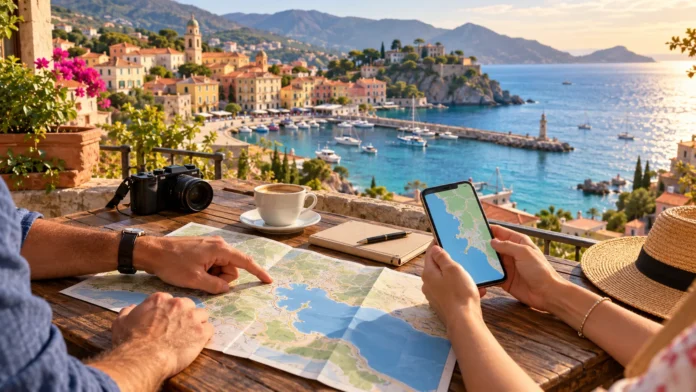
Traveling is one of the most rewarding ways to discover new places, experience different cultures, and create unforgettable memories. Whether you dream of exploring historic European cities, relaxing on tropical beaches, or discovering breathtaking natural landscapes, thoughtful preparation can make your journey more enjoyable. Travel guides provide useful information that helps you choose destinations, organize activities, and understand what to expect before leaving home.
Planning a successful trip involves more than booking flights and selecting a hotel. Travelers need to consider their budget, transportation options, seasonal weather, accommodation preferences, and local attractions. Having access to practical travel tips and destination information makes it easier to avoid unnecessary expenses, manage time efficiently, and enjoy experiences that match personal interests.
Whether you are planning your first international vacation, a family holiday, a weekend getaway, or a long-term adventure, a reliable travel planning approach can make a difference. This comprehensive guide explores popular travel destinations, essential planning strategies, budgeting techniques, packing advice, and practical recommendations for making every journey more comfortable and memorable.
What Are Travel Guides and Why Are They Important?
Travel guides are resources that provide information about destinations, attractions, transportation, accommodation, local customs, and practical travel requirements. They help travelers understand unfamiliar locations before arriving and offer suggestions for organizing their itineraries. A useful guide combines destination knowledge with realistic advice that supports informed decisions throughout the planning process.
Modern travel guides are available through websites, mobile applications, printed books, and destination-specific travel platforms. Some focus on particular countries or cities, while others cover activities such as hiking, cultural tourism, and family vacations. Choosing a guide that matches your interests can help you find relevant information without spending hours researching unrelated destinations.
Travel guides are especially helpful when visiting unfamiliar places because they highlight common challenges and useful preparation steps. They may explain local transportation systems, expected weather conditions, cultural expectations, and popular sightseeing opportunities. However, travelers should verify time-sensitive information such as entry requirements, operating hours, and transportation schedules before departure.
How to Choose the Best Travel Destination
Choosing the right destination is one of the most important decisions when planning a vacation. Some travelers prefer beaches and warm weather, while others enjoy mountains, historic cities, or cultural experiences. Identifying your interests helps narrow the available options and makes it easier to plan a journey that feels personally rewarding.
Consider your travel budget, available vacation days, preferred climate, and the activities you want to experience. A short holiday may work better in a destination with convenient transportation and nearby attractions. Longer trips can provide opportunities to explore multiple cities or regions without rushing from one location to another.
Research destinations based on actual travel requirements rather than relying only on attractive photographs or promotional descriptions. Seasonal weather, local transportation, accommodation availability, and safety considerations can influence your experience. Comparing several destinations using consistent criteria helps you select a location that fits your expectations and practical circumstances.
Explore the Best Travel Destinations Around the World
The world offers an extraordinary variety of travel destinations, ranging from bustling metropolitan cities to peaceful natural landscapes. Popular choices include countries known for historic architecture, traditional cuisine, scenic coastlines, and cultural attractions. The best destination ultimately depends on your personal interests, travel style, available time, and budget.
Europe attracts travelers interested in history, museums, architecture, and exploring several countries within one journey. Asia offers diverse experiences involving vibrant cities, ancient landmarks, mountain scenery, and tropical islands. Meanwhile, North America features famous national parks, major urban destinations, coastal attractions, and numerous opportunities for outdoor recreation.
Travelers seeking unique experiences can also explore destinations across Africa, South America, and Oceania. These regions offer remarkable wildlife, cultural traditions, historical sites, and natural wonders. Rather than choosing places solely because they are popular, consider which destinations provide activities and experiences that genuinely interest you.
Discover Beautiful Destinations in Europe
Europe is a popular travel region because of its historic cities, diverse cultures, and well-developed transportation connections. Countries such as Italy, France, Spain, Germany, and Greece offer famous landmarks alongside smaller towns and distinctive regional traditions. Travelers can explore museums, local markets, architectural attractions, and scenic landscapes within relatively manageable distances.
Italy is known for historic cities such as Rome, Florence, and Venice, while France attracts visitors interested in Parisian landmarks and regional countryside experiences. Spain offers a combination of coastal destinations, cultural attractions, and lively urban centers. Each country has different seasonal conditions, making travel timing an important planning consideration.
European trips can involve exploring one destination thoroughly or combining several locations into a broader itinerary. Train networks and regional flights provide transportation options between many major cities. However, travel costs, reservation requirements, and local conditions vary, so planning routes carefully helps avoid unnecessary transfers and rushed sightseeing schedules.
Explore Popular Travel Destinations in Asia
Asia offers diverse travel experiences shaped by centuries of history, distinctive cultures, and remarkable natural environments. Travelers can explore modern cities, traditional temples, mountain landscapes, tropical beaches, and historic marketplaces. The region includes destinations suitable for cultural sightseeing, food exploration, outdoor activities, and relaxing holidays.
Japan attracts visitors with its combination of modern technology, historic districts, and seasonal scenery. Thailand is known for temples, markets, islands, and coastal attractions, while Vietnam offers historic cities and striking natural landscapes. Countries such as Malaysia, Indonesia, and South Korea provide additional opportunities to experience distinctive local traditions.
Weather varies considerably across Asia because countries experience different monsoon patterns, seasons, and regional climates. The ideal travel month for one destination may be unsuitable for another. Reviewing destination-specific climate information helps travelers select appropriate dates and plan activities around expected weather conditions.
Experience Nature and Adventure in North America
North America provides numerous opportunities for travelers who enjoy natural landscapes, road trips, and outdoor recreation. The United States, Canada, and Mexico offer destinations ranging from mountain parks and desert scenery to major cities and coastal attractions. Regional differences allow travelers to choose experiences suited to different seasons and interests.
National parks such as Yellowstone, Yosemite, and the Grand Canyon attract visitors interested in dramatic scenery and natural attractions. Canada offers beautiful mountain destinations, lakes, and outdoor recreation areas, while Mexico combines historic landmarks, cultural experiences, and popular beach destinations. Each location requires different preparations depending on weather and available facilities.
Outdoor travel should involve careful research into park regulations, seasonal accessibility, and safety requirements. Some mountain routes may close during winter, while desert destinations can become dangerously hot during summer. Choosing suitable activities and respecting local conditions helps travelers enjoy natural attractions more responsibly.
Plan Your Trip Step by Step
A successful trip usually begins with a clear plan that organizes essential decisions before departure. Start by identifying your destination, travel dates, trip duration, and approximate budget. These details provide a foundation for researching accommodation, transportation, attractions, and other practical requirements.
Next, compare available flights or transportation routes and identify suitable places to stay. Research major attractions and create a flexible itinerary based on location and opening times. Grouping nearby activities together can reduce unnecessary travel and provide more time to explore each destination comfortably.
Before finalizing your arrangements, review travel documents, entry requirements, reservation policies, and any relevant local regulations. Save important booking details in an accessible location and keep backup copies when appropriate. A clear travel plan reduces uncertainty while leaving enough flexibility for unexpected discoveries and schedule changes.
Set a Realistic Travel Budget
Creating a travel budget helps manage expenses and prevents financial surprises during a vacation. Major costs often include transportation, accommodation, meals, sightseeing, and local travel. Additional expenses may involve travel insurance, baggage fees, entry permits, mobile connectivity, or unexpected changes to your itinerary.
Begin by estimating essential costs before allocating money to optional activities and shopping. Research typical accommodation rates and transportation prices for your chosen destination and dates. Keeping a small contingency amount can help cover reasonable unexpected expenses without placing unnecessary pressure on the rest of your budget.
Budget planning should reflect your preferred travel experience rather than requiring you to choose the cheapest option in every situation. Some travelers prioritize comfortable accommodation, while others prefer spending more on attractions or local food. Establishing clear priorities helps balance affordability with enjoyment throughout the journey.
Find Affordable Flights and Transportation
Transportation expenses can account for a significant portion of a travel budget, particularly on international journeys. Comparing available airlines, departure dates, and routes can help identify options that match your schedule and budget. Flexible travel dates may provide additional choices when ticket prices vary across the week or season.
When evaluating flights, consider more than the advertised ticket price. Baggage allowances, connection times, airport transfers, and change policies can affect the total cost and convenience. A slightly more expensive direct flight may sometimes provide better overall value than a complicated journey involving multiple connections.
Local transportation also deserves attention when researching a destination. Public trains, buses, licensed taxis, and authorized transport services can offer different advantages depending on the location. Understanding basic ticketing systems and available routes before arrival can make navigating unfamiliar cities easier.
Choose the Right Accommodation for Your Trip
Accommodation influences comfort, convenience, and overall travel expenses throughout a vacation. Hotels, vacation rentals, guesthouses, and hostels provide different experiences depending on the destination and traveler preferences. Selecting the right option requires considering location, facilities, accessibility, safety, and the number of people traveling together.
Staying near major attractions or reliable transportation connections can reduce daily travel time. However, central accommodation may cost more than alternatives located outside popular tourist districts. Comparing total costs, including transportation and additional property fees, helps identify options that provide suitable value.
Read recent guest reviews carefully and check the property’s stated facilities before confirming a reservation. Pay attention to cancellation policies, check-in arrangements, and any restrictions that may affect your stay. Reliable accommodation planning contributes to a smoother experience, particularly when arriving in an unfamiliar destination.
Create a Flexible Travel Itinerary
A travel itinerary organizes the places you want to visit and helps you use your available time effectively. Without planning, travelers may spend unnecessary hours moving between attractions or miss experiences requiring advance reservations. A practical itinerary provides direction while allowing enough freedom to explore spontaneously.
Begin by identifying your highest-priority attractions and estimating how much time each activity requires. Group nearby locations together and account for transportation, meals, and rest periods. Avoid scheduling every hour because unexpected delays or interesting discoveries may change your plans.
Flexible itineraries are particularly helpful for family vacations, multi-city journeys, and destinations with unpredictable weather. Keep optional activities available in case a planned attraction becomes inaccessible. This balanced approach allows you to enjoy meaningful experiences without turning your vacation into an exhausting schedule.
Understand the Best Time to Travel
Choosing the right season can significantly influence weather conditions, prices, available activities, and visitor numbers. Some destinations are most enjoyable during spring or autumn, while others attract travelers during summer or winter. Understanding seasonal differences helps you select travel dates that align with your expectations.
Peak tourist seasons often provide favorable weather or popular events, but they may also involve higher prices and crowded attractions. Shoulder seasons can sometimes offer a balance between comfortable conditions and moderate visitor numbers. Off-season travel may provide savings, although certain activities or services could become limited.
Research climate patterns for your specific destination rather than assuming the same season is suitable across an entire country. Mountain regions, coastal areas, and deserts can experience dramatically different weather. Checking historical seasonal trends and forecasts close to departure helps you prepare more effectively.
Pack Smart for Every Travel Destination
Packing efficiently can make travel more comfortable and reduce the inconvenience of carrying unnecessary belongings. The right packing list depends on your destination, expected weather, trip duration, and planned activities. Creating a checklist before departure helps ensure important items are not forgotten.
Choose versatile clothing suitable for different situations and consider packing layers when temperatures may change. Comfortable footwear, appropriate personal care products, essential medication, and travel documents should receive priority. Check airline baggage restrictions and local requirements before placing items in your luggage.
Avoid filling your suitcase with items you are unlikely to use. Leaving some extra space can make packing and organizing easier throughout the trip. A smaller, well-organized bag may also simplify transportation between airports, hotels, and sightseeing locations.
Prepare Important Travel Documents
Travel documents are essential for international trips and may also be needed for certain domestic transportation services. Passports, visas, identification documents, booking confirmations, and insurance information should be reviewed before departure. Requirements vary according to nationality, destination, and the purpose of travel.
Check passport validity and entry rules using official government or immigration information relevant to your circumstances. Some destinations require advance authorization or specific documentation before arrival. Applying early for necessary permissions can help avoid complications that might interfere with your travel plans.
Keep important documents organized and store secure backup copies where appropriate. Avoid leaving sensitive personal information accessible on shared devices or public computers. Having reliable access to essential travel details can make airport procedures, hotel check-ins, and unexpected situations easier to manage.
Stay Safe and Healthy While Traveling
Travel safety begins with researching your destination and understanding common local conditions. Transportation practices, weather hazards, cultural expectations, and available medical facilities vary between locations. Taking reasonable precautions helps travelers make informed decisions while exploring unfamiliar places.
Carry essential medications appropriately, follow relevant health recommendations, and maintain adequate hydration during your journey. Use reliable transportation services and remain aware of your surroundings, particularly in crowded locations. Travelers planning outdoor activities should review weather conditions and follow guidance from authorized local organizations.
Consider travel insurance that matches your destination and planned activities, including any relevant exclusions. Keep emergency contact details accessible and learn how to reach local assistance if needed. Sensible preparation supports a more comfortable journey without requiring constant worry about every possible situation.
Explore Local Culture and Travel Responsibly
Experiencing local culture is one of the most meaningful parts of traveling because it introduces visitors to different traditions and everyday lifestyles. Museums, festivals, historic neighborhoods, and local markets can provide valuable cultural insights. Taking time to learn about a destination helps create more respectful and rewarding interactions.
Before visiting, familiarize yourself with basic customs, social expectations, and appropriate behavior in religious or culturally significant places. Learning a few common phrases in the local language can also improve everyday communication. Respectful curiosity encourages positive interactions and helps travelers appreciate cultural differences without making assumptions.
Responsible tourism also involves considering how travel activities affect local communities and environments. Follow destination regulations, avoid damaging natural or historic attractions, and support legitimate local businesses when practical. Thoughtful choices can help preserve destinations and contribute positively to the places you visit.
Save Money With Practical Travel Tips
Traveling comfortably does not always require spending heavily on every part of the journey. Small decisions involving transportation, dining, accommodation, and sightseeing can influence your total expenses. Researching prices in advance helps identify affordable options that still provide enjoyable experiences.
Consider using suitable public transportation, exploring free attractions, and comparing restaurant prices in different neighborhoods. City passes may provide value when they include attractions you genuinely plan to visit. However, purchasing discounted packages is not automatically economical if most included activities do not interest you.
Travelers can also reduce unnecessary spending by checking currency exchange charges, mobile data options, and baggage policies before departure. Tracking everyday expenses helps maintain awareness of the budget. Saving money becomes easier when choices are based on practical value rather than relying entirely on advertised discounts.
Use Technology to Make Travel Planning Easier
Digital tools can simplify many aspects of modern travel, from researching destinations to organizing reservations. Mapping applications, translation tools, booking platforms, and travel planning services provide convenient ways to manage information. These resources can reduce confusion and help travelers make decisions while exploring unfamiliar places.
Navigation applications can assist with locating attractions, identifying transport routes, and estimating travel times. Translation tools may support basic communication when travelers do not speak the local language. Digital itineraries and calendar reminders can also help organize reservations, important dates, and scheduled activities.
Technology is useful, but travelers should prepare for situations involving poor internet access or limited device battery life. Download essential information when appropriate and keep important contact details available offline. Combining digital convenience with basic preparation creates a more dependable travel experience.
Plan Memorable Family Vacations and Group Trips
Family vacations and group journeys require additional coordination because travelers may have different interests, schedules, and preferences. Choosing suitable destinations involves considering transportation convenience, accommodation arrangements, and activities that appeal to different age groups. Clear communication helps everyone understand the planned experience before departure.
When traveling with children, include flexible schedules, suitable rest periods, and activities appropriate for their interests. Groups of friends may benefit from discussing budgets and individual expectations early in the planning process. Agreeing on major priorities can prevent misunderstandings and make shared decisions easier.
Not every activity needs to involve the entire group throughout the vacation. Allowing some flexibility can help individuals enjoy experiences that match their interests while still spending meaningful time together. Thoughtful planning supports cooperation without making the trip feel overly controlled or exhausting.
Discover the Benefits of Solo Travel
Solo travel provides an opportunity to explore destinations independently and make decisions according to personal preferences. Travelers can choose their schedules, select activities freely, and develop confidence navigating unfamiliar environments. The experience can also encourage greater awareness of individual interests and travel habits.
Planning a solo trip involves understanding destination logistics, accommodation options, and transportation arrangements. Choosing convenient locations and researching local conditions can make the journey easier to manage. Keeping trusted contacts informed about general travel plans may also provide additional reassurance when visiting unfamiliar places.
Traveling alone does not mean avoiding social interaction or participating in every activity independently. Organized tours, cultural experiences, and suitable group activities can provide opportunities to meet other travelers. Balancing independence with sensible preparation helps create an enjoyable and personally rewarding travel experience.
Avoid Common Travel Planning Mistakes
One frequent travel planning mistake is creating an itinerary that includes too many destinations within a limited period. Constant transportation can become tiring and leave little time to appreciate local attractions. Prioritizing fewer meaningful experiences often creates a more enjoyable vacation than attempting to visit every popular location.
Another common problem involves overlooking important details such as entry requirements, transportation schedules, seasonal conditions, or accommodation policies. These issues can create unnecessary delays and additional expenses. Reviewing practical arrangements before departure helps reduce avoidable complications and improves confidence when traveling.
Travelers should also avoid relying exclusively on outdated online recommendations or assuming that every destination operates the same way. Verify essential information using current, reliable sources whenever possible. Keeping realistic expectations and allowing room for unexpected changes can make the overall journey more flexible and enjoyable.
Build Better Travel Habits for Future Adventures
Every journey provides opportunities to learn which planning methods, destinations, and activities work best for your preferences. Reflecting on previous trips can help improve future decisions about transportation, accommodation, budgeting, and daily schedules. These observations make it easier to develop travel habits that suit your lifestyle.
Keep useful notes about successful itineraries, comfortable accommodation locations, transportation options, and activities you enjoyed. Reviewing these details before planning another trip can save research time. You may also discover patterns in your preferences, such as enjoying slower travel or choosing destinations with outdoor attractions.
Good travel habits develop gradually through preparation, experience, and a willingness to adapt. The goal is not to plan every moment perfectly but to make informed decisions that support meaningful experiences. With practice, organizing trips can become a rewarding part of the overall travel experience.
Conclusion
Travel guides provide valuable support for exploring destinations, organizing vacations, and making informed decisions before departure. From choosing suitable locations and planning itineraries to managing budgets and preparing essential documents, thoughtful research can improve the overall travel experience. Understanding practical details helps travelers enjoy new places with greater confidence and fewer unnecessary complications.
The best travel plans balance organization with flexibility, allowing room for discovery while considering important logistical requirements. Every destination offers different attractions, seasonal conditions, cultural experiences, and transportation options. Choosing experiences that match your interests and available resources can make a journey more meaningful than simply following the most popular travel trends.
Whether you are planning a short weekend getaway, an international family holiday, or a solo adventure, preparation helps create enjoyable and memorable experiences. Use reliable destination information, maintain realistic expectations, and remain open to learning from each journey. With the right approach, traveling can become a rewarding way to discover the world and appreciate its remarkable diversity.
FAQs
What should a good travel guide include?
A good travel guide should cover destinations, major attractions, transportation, accommodation, seasonal weather, budgets, and practical safety considerations. It should provide useful information that helps travelers plan confidently and make informed decisions.
How do I plan a trip for the first time?
Start by choosing a destination, travel dates, and realistic budget. Research transportation, accommodation, entry requirements, and attractions, then create a flexible itinerary with enough time for rest and unexpected changes.
What is the best time of year to travel?
The best time depends on your destination, preferred weather, activities, and budget. Research local seasons, tourist crowds, and regional climate patterns before selecting travel dates.
How can I travel on a limited budget?
Compare transportation and accommodation prices, use suitable public transport, explore free attractions, and plan expenses in advance. Flexible travel dates and careful research can also help reduce unnecessary costs.
Why are travel guides useful for beginners?
Travel guides help beginners understand unfamiliar destinations, organize important arrangements, and avoid common planning mistakes. They provide practical information that makes transportation, sightseeing, budgeting, and cultural experiences easier to manage.

