
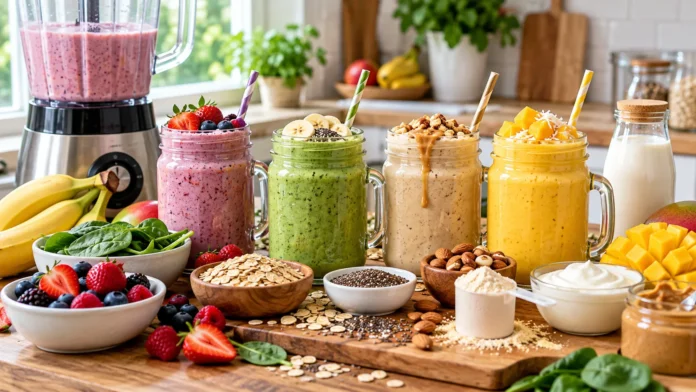
Why Fruit Smoothies Are a Delicious Everyday Choice
Fruit smoothies are a refreshing way to enjoy different fruits in one delicious homemade drink. They combine natural flavors, vibrant colors, and smooth textures that make them appealing throughout the year. From tropical mango blends to creamy banana smoothies, there are countless combinations worth exploring. Preparing smoothies at home also allows you to experiment with ingredients according to your personal taste.
One of the biggest advantages of fruit smoothies is their versatility. You can combine sweet fruits with tart varieties to develop balanced and interesting flavors. Fresh and frozen fruits both work well, making preparation convenient during different seasons. Milk, yogurt, water, and suitable plant-based beverages can also be added depending on the consistency you prefer.
The best fruit smoothie combinations to try are those that bring complementary flavors and textures together. Bananas pair beautifully with berries, while mangoes work well with pineapple and coconut. Apples, peaches, and citrus fruits can introduce refreshing variations to traditional recipes. Understanding these combinations helps you prepare enjoyable smoothies without complicated ingredients or advanced kitchen skills.
Strawberry and Banana Smoothie Combination
Strawberry and banana is one of the most popular fruit smoothie combinations because it balances sweetness with refreshing berry flavor. Ripe bananas contribute a naturally creamy texture, while strawberries add a pleasant tanginess. The mixture works well with milk, yogurt, or suitable dairy-free alternatives. This combination is particularly convenient for breakfast or an afternoon snack.
To prepare one serving, combine one ripe banana, one cup of strawberries, and approximately three-quarters of a cup of milk. Add a few tablespoons of plain yogurt for extra creaminess if desired. Place everything in a blender and blend until smooth. Adjust the liquid gradually until the mixture reaches your preferred consistency.
Frozen strawberries can make the smoothie colder without requiring additional ice. If your strawberries are particularly tart, using a ripe banana may help balance the flavor. A small amount of vanilla extract can also complement the fruit. This simple strawberry banana smoothie is an excellent starting point for anyone learning to make homemade smoothies.
Mango and Pineapple Tropical Smoothie
Mango and pineapple make a delicious tropical smoothie combination with a naturally sweet and refreshing flavor. Mango adds a rich, creamy texture, while pineapple brings a bright, slightly tangy taste. Together, these fruits produce a drink that feels particularly enjoyable during warm weather. The combination also works well with coconut-based beverages or plain yogurt.
For one serving, use one cup of mango pieces, half a cup of pineapple chunks, and approximately three-quarters of a cup of coconut water. Add a few tablespoons of yogurt if you prefer a creamier drink. Blend the ingredients until smooth and evenly combined. Use additional liquid if the mixture becomes too thick.
Frozen mango and pineapple are useful when fresh tropical fruits are unavailable. They also help produce a colder smoothie without watering down the flavor. A small squeeze of lime can add an extra refreshing note. This tropical fruit smoothie is a convenient option for enjoying bright flavors throughout the year.
Blueberry and Banana Smoothie
Blueberry and banana smoothies combine the mild sweetness of bananas with the distinctive flavor of blueberries. Blueberries contribute a beautiful purple color and naturally occurring plant compounds. Bananas help create a smoother, creamier texture without requiring heavy ingredients. The result is a simple fruit smoothie that works well with several different liquid bases.
Combine one cup of blueberries, one ripe banana, and three-quarters of a cup of milk in a blender. Add a few spoonfuls of plain yogurt if you want a slightly thicker consistency. Blend until the fruit is fully incorporated. Frozen blueberries can be used directly when your blender is suitable for frozen ingredients.
This combination also works nicely with a small amount of cinnamon or vanilla extract. For a different texture, add a spoonful of rolled oats before blending. The banana helps soften the slightly tart flavor of blueberries. Serve the smoothie fresh to enjoy its pleasant consistency and natural fruit taste.
Raspberry and Peach Smoothie
Raspberry and peach smoothies offer a refreshing balance between tart berries and sweet stone fruit. Raspberries contribute a bright flavor, while ripe peaches add softness and natural sweetness. Their combination produces a colorful drink with a light, fruity taste. This recipe is especially appealing during summer and late spring when peaches become widely available.
To prepare it, combine one cup of peach slices, half a cup of raspberries, and approximately three-quarters of a cup of milk or water. Add half a banana if you prefer extra creaminess. Blend everything until smooth. Depending on the blender, small raspberry seeds may remain noticeable.
Frozen peaches and raspberries can also be used for convenient preparation. If the mixture tastes too tart, try adjusting the fruit proportions instead of immediately adding sugar. A small amount of vanilla can complement the peach flavor. This combination is a lovely alternative to more familiar strawberry-based smoothies.
Pineapple and Orange Citrus Smoothie
Pineapple and orange create a vibrant smoothie with a refreshing tropical citrus flavor. Both fruits contribute natural sweetness and a pleasant tanginess that works well together. Orange adds liquid and a bright aroma, while pineapple gives the mixture more texture. This combination is particularly suitable when you prefer lighter smoothies without a heavy creamy base.
Use one cup of pineapple chunks, one peeled orange with seeds removed, and approximately half a cup of cold water. Add half a banana if you want a smoother consistency. Blend until the fruit is completely combined. Adjust the amount of water based on how thick or refreshing you want the drink.
Fresh oranges generally provide enough liquid to help the ingredients blend, especially when they are juicy. Frozen pineapple can make the smoothie colder and slightly thicker. A few mint leaves may add a refreshing flavor if desired. This citrus fruit smoothie is a convenient drink for warm afternoons.
Apple and Banana Smoothie
Apple and banana smoothies combine crisp fruit flavor with a smooth, creamy consistency. Apples contribute freshness, while bananas help balance the texture and provide natural sweetness. This combination works particularly well with milk, yogurt, and cinnamon. It is also convenient because both fruits are commonly available in grocery stores throughout the year.
To prepare one serving, use one medium apple, one ripe banana, and approximately three-quarters of a cup of milk. Wash the apple thoroughly, remove its core, and cut it into small pieces. Add a pinch of cinnamon before blending. Continue mixing until the apple pieces become finely incorporated.
Sweet apple varieties produce a milder flavor, while tart apples make the drink more refreshing. You can leave the edible apple skin on if your blender handles it comfortably. Plain yogurt can also be added for a thicker consistency. This easy smoothie recipe is a practical way to enjoy familiar fruits together.
Watermelon and Strawberry Smoothie
Watermelon and strawberry make a refreshing smoothie combination with a naturally juicy consistency. Watermelon contains plenty of water, while strawberries add a slightly tart berry flavor. Together, they create a lighter drink that differs from thick banana or yogurt smoothies. This combination is particularly enjoyable during hot weather.
Combine one and a half cups of seedless watermelon cubes with half a cup of strawberries. Add a small squeeze of lime if desired. Blend until smooth, usually without needing additional water because watermelon contains considerable moisture. You can include a few frozen strawberries for a colder texture.
This smoothie is best served soon after blending because its ingredients may separate as it stands. Chilled watermelon also helps keep the drink refreshing without requiring extra ice. A few fresh mint leaves can introduce another flavor. The simple combination makes it easy to prepare a refreshing homemade summer smoothie.
Mango and Banana Creamy Smoothie
Mango and banana are excellent fruits to combine when you want a thick, naturally creamy smoothie. Both fruits have soft textures and blend easily into a smooth mixture. Mango brings a tropical flavor, while banana contributes familiar sweetness. The combination works well with milk, yogurt, or unsweetened plant-based beverages.
For one serving, combine one cup of mango pieces, one small banana, and approximately half a cup of milk. Add one-third of a cup of plain yogurt if desired. Blend until smooth and adjust the liquid as needed. Frozen mango pieces can help achieve a thicker consistency.
A small pinch of cardamom or a few drops of vanilla extract can add extra flavor. If the mixture becomes too thick, add milk gradually instead of blending for an unnecessarily long time. Ripe fruits usually provide enough sweetness on their own. This tropical smoothie is a simple option for people who enjoy creamy fruit drinks.
Blackberry and Blueberry Smoothie
Blackberries and blueberries combine to make a colorful smoothie with a rich berry flavor. Both fruits have a balance of sweetness and tartness, although the exact taste depends on ripeness. Their dark colors produce an appealing purple drink. The mixture works especially well with yogurt or banana for additional creaminess.
Combine half a cup of blackberries, half a cup of blueberries, one banana, and three-quarters of a cup of milk. Blend until the ingredients become smooth and evenly distributed. Add plain yogurt if you prefer a thicker texture. Frozen berries can also be used when fresh varieties are unavailable.
Blackberries contain small seeds that may remain noticeable after blending. If you prefer a smoother consistency, you can strain the finished mixture, although doing so removes some fiber. Vanilla extract can complement the berries without overwhelming their natural taste. This combination is an enjoyable way to explore different berry flavors.
Kiwi and Strawberry Smoothie
Kiwi and strawberry smoothies have a refreshing flavor that combines sweet berries with the slightly tangy taste of kiwi. Their contrasting colors and flavors make the combination especially appealing. Kiwi contributes a soft texture when ripe, while strawberries bring familiar fruit sweetness. This recipe works well with water, yogurt, or a suitable milk alternative.
Use two peeled kiwis, one cup of strawberries, and approximately half a cup of cold water. Add half a banana if the fruits taste particularly tart. Blend until smooth and adjust the liquid as needed. You can also add a few tablespoons of plain yogurt for creaminess.
Choose ripe kiwis that yield slightly to gentle pressure without feeling excessively soft. Their small edible seeds will usually remain in the blended mixture. Frozen strawberries help make the drink colder without requiring ice. Serve the smoothie promptly for a fresh and pleasant fruit flavor.
Peach and Mango Smoothie
Peach and mango smoothies bring together two naturally sweet fruits with soft, juicy textures. Mango contributes tropical richness, while peach adds a delicate and refreshing flavor. The combination produces a smooth drink that can be enjoyed with milk or yogurt. It is particularly appealing when both fruits are ripe and flavorful.
Blend one cup of peach slices, half a cup of mango pieces, and approximately three-quarters of a cup of milk. Add a few tablespoons of plain yogurt for a creamier consistency. Mix until smooth, adding additional liquid only when necessary. Frozen fruit can also be used for convenient preparation.
Fresh peaches should be washed, and their pits must be removed before blending. Mangoes should be peeled and separated from their large central stones. A small amount of vanilla extract can complement the natural sweetness. This smoothie is a delicious option for enjoying familiar summer fruit flavors.
Pineapple and Coconut Smoothie
Pineapple and coconut are a classic tropical flavor combination commonly associated with refreshing island-inspired drinks. Pineapple contributes natural sweetness and tartness, while coconut adds a distinctive aroma. Coconut milk can make the mixture creamy without requiring dairy ingredients. The combination is convenient for preparing a refreshing homemade fruit smoothie.
Combine one cup of pineapple chunks, half a banana, and approximately three-quarters of a cup of coconut milk beverage. Blend until smooth and creamy. If you prefer a richer texture, use a small amount of canned coconut milk diluted with water. Adjust the proportions according to your taste.
Frozen pineapple can help achieve a colder drink without additional ice. A little lime juice can brighten the tropical flavor. If you use canned coconut milk, remember that its consistency differs from lighter coconut beverages. Experimenting with the liquid allows you to find your preferred level of creaminess.
Cherry and Banana Smoothie
Cherry and banana smoothies offer a rich fruit flavor with a smooth, creamy texture. Sweet cherries bring a distinctive taste, while bananas balance their flavor with gentle sweetness. This combination works well with yogurt or milk and can be prepared using fresh or frozen cherries. The result is a colorful smoothie suitable for different occasions.
Use one cup of pitted cherries, one banana, and approximately three-quarters of a cup of milk. Add a few tablespoons of yogurt if desired. Blend until the mixture becomes completely smooth. Always remove cherry pits before blending because they can damage equipment and are unsafe to crush into food.
Frozen pitted cherries are convenient when fresh fruit is unavailable. A small amount of vanilla extract can complement the cherry flavor without becoming overpowering. If you prefer a thicker drink, use frozen banana slices as well. This smoothie offers a different flavor from common strawberry and blueberry combinations.
Pomegranate and Mixed Berry Smoothie
Pomegranate and mixed berries combine to make a refreshing smoothie with a naturally tangy flavor. Pomegranate contributes a distinctive taste, while strawberries and blueberries help balance the mixture. Using unsweetened pomegranate juice is a convenient way to introduce its flavor. This combination is especially appealing when you prefer bright, fruity drinks.
To prepare it, combine half a cup of unsweetened pomegranate juice, one cup of mixed berries, and one small banana. Blend until the ingredients are evenly mixed. Add a little plain yogurt if you prefer a creamier consistency. Frozen berries can help keep the drink cold.
Pomegranate seeds can also be used, although their hard inner portions may affect the texture. Juice generally produces a smoother result, while whole seeds contribute more fiber. Avoid adding excessive liquid because it may make the smoothie too thin. This recipe is a flavorful way to experiment with different fruit combinations.
How to Choose the Best Fruits for Smoothies
Choosing fruits for smoothies begins with understanding how their flavors and textures complement each other. Bananas, mangoes, and peaches are useful for making creamy blends, while citrus fruits and berries introduce refreshing tartness. Watermelon and oranges contain more liquid, making them suitable for lighter drinks. Combining contrasting characteristics can help achieve a balanced result.
Fresh fruit is convenient when it is ripe and available, while frozen fruit makes preparation easier throughout the year. Frozen bananas, berries, mangoes, and pineapples can help thicken smoothies without additional ice. Both fresh and frozen options can contribute useful nutrients. Choose ingredients based on taste, availability, and the desired consistency.
Start with two or three fruits rather than blending too many varieties together. This makes it easier to recognize individual flavors and adjust the recipe. Consider adding milk, yogurt, or water depending on the selected fruits. Simple combinations often make the most enjoyable homemade smoothies.
Tips for Making Fruit Smoothies Taste Better
The taste of a fruit smoothie depends on ripeness, ingredient proportions, and the balance between sweet and tart flavors. Ripe bananas can soften the sharpness of berries, while pineapple can brighten milder mango blends. Using naturally flavorful fruit reduces the need for additional sweeteners. Tasting the mixture before serving helps identify small adjustments.
Frozen fruit is useful for improving temperature and thickness without watering down the drink. Yogurt can add creaminess, while vanilla or cinnamon introduces subtle flavor changes. Avoid using excessive spices or strongly flavored ingredients that overwhelm the fruit. Small quantities are generally enough to make a noticeable difference.
Texture also influences how enjoyable a smoothie feels. Begin with a modest amount of liquid and increase it gradually while blending. If the mixture is too thick, add a little milk or water. If it is too thin, blend in additional frozen fruit or banana to improve consistency.
Common Mistakes to Avoid When Combining Fruits
One common mistake is combining too many fruits with strong or competing flavors. Although experimenting can be enjoyable, complicated mixtures sometimes lack a clear and pleasant taste. Begin with two complementary fruits and introduce additional ingredients gradually. This makes it easier to understand which combinations work well together.
Another mistake is adding too much liquid before blending the fruit. Water-rich ingredients such as watermelon and oranges often require less added liquid than bananas or frozen mangoes. Starting with a small amount helps prevent watery smoothies. You can always add more liquid if necessary.
Using spoiled fruit or preparing ingredients incorrectly can also affect smoothie quality and safety. Wash fresh produce, remove inedible peels and pits, and inspect ingredients before blending. Follow your blender’s instructions when using frozen fruit. Proper preparation helps you enjoy consistent results with different recipes.
Conclusion
The best fruit smoothie combinations bring together complementary flavors, textures, and natural sweetness. Strawberry and banana, mango and pineapple, blueberry and banana, and raspberry and peach are excellent examples. Each pairing offers a different taste and can be customized using milk, yogurt, water, or suitable plant-based beverages. Simple recipes make homemade smoothie preparation enjoyable for beginners.
Fresh and frozen fruits both work well, allowing you to prepare colorful smoothies throughout the year. Choosing ripe ingredients, balancing sweet and tart flavors, and adjusting liquid quantities can improve the final consistency. Additional ingredients such as cinnamon, vanilla, or yogurt can introduce variety without overwhelming the fruit. Experimenting gradually helps you discover combinations that suit your preferences.
Whether you enjoy creamy tropical blends, refreshing citrus drinks, or colorful berry smoothies, there are many possibilities worth exploring. A basic blender and a few familiar fruits are usually enough to prepare delicious homemade drinks. Proper ingredient preparation and safe storage help maintain quality. With these easy combinations, enjoying fruit smoothies can become a simple part of your everyday routine.
Frequently Asked Questions (FAQs)
What Are the Best Fruits to Mix Together in a Smoothie?
Strawberries and bananas, mangoes and pineapples, blueberries and bananas, and peaches and raspberries are excellent smoothie combinations. They balance sweetness, tartness, and texture while blending easily with different liquids.
Can I Mix Three or More Fruits in One Smoothie?
Yes, you can combine three or more fruits in a smoothie. Choose ingredients with complementary flavors and avoid adding too many strongly flavored varieties that could overwhelm the finished drink.
Which Fruits Make Smoothies Thick and Creamy?
Bananas, mangoes, avocados, and peaches can help create creamy smoothies. Frozen bananas and mangoes are especially useful because they produce a thicker texture without requiring additional ice.
Is Fresh or Frozen Fruit Better for Smoothies?
Both fresh and frozen fruits work well for smoothies. Fresh fruit is convenient when ripe and available, while frozen fruit makes drinks colder and thicker and can be stored longer.
Can I Make Fruit Smoothies Without Milk or Yogurt?
Yes, fruit smoothies can be prepared with water, coconut water, or suitable plant-based beverages. Fruits such as bananas and mangoes can help maintain a creamy consistency without dairy ingredients.

