
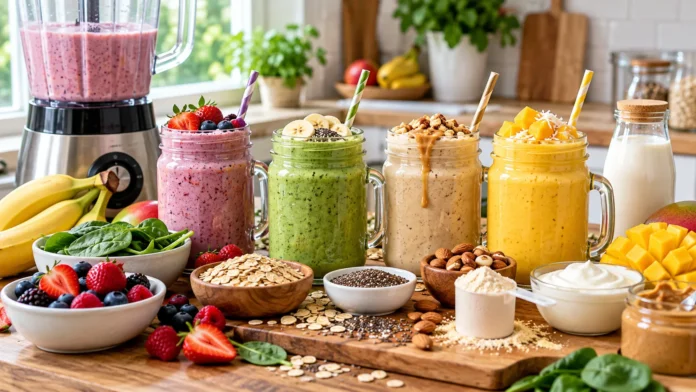
Why Protein Smoothies Are a Great Addition to a Healthy Diet
Protein smoothies are a delicious and convenient way to include protein-rich ingredients in your everyday meals. They combine familiar foods such as milk, yogurt, fruits, nuts, and seeds into a refreshing drink. These homemade smoothies are easy to prepare and can be customized according to individual preferences. Whether enjoyed at breakfast or as a snack, they offer a practical way to add variety to your diet.
Protein plays an important role in maintaining muscles, repairing body tissues, and supporting normal growth and development. It also contributes to the production of enzymes, hormones, and other substances the body needs. Smoothies made with protein-containing ingredients can complement balanced meals and snacks. The amount of protein varies depending on the ingredients and serving size.
The best protein smoothie recipes focus on enjoyable flavors, accessible ingredients, and overall nutritional variety. You do not need expensive supplements or complicated preparation methods to make a satisfying drink. Everyday foods can contribute protein alongside carbohydrates, fiber, and beneficial fats. Learning a few simple recipes makes it easier to prepare homemade smoothies throughout the week.
What Makes a Protein Smoothie Healthy and Nutritious?
A nutritious protein smoothie combines ingredients that contribute different nutrients rather than focusing only on protein content. Milk, yogurt, and soy beverages can supply protein, while fruits contribute vitamins and fiber. Oats, nuts, and seeds add additional nutrients and texture. This combination makes smoothies a flexible option within a varied eating pattern.
Protein-rich ingredients should be selected according to your dietary preferences, allergies, and nutritional needs. Plain Greek yogurt, cottage cheese, dairy milk, and fortified soy beverages are familiar options. Peanut butter, almond butter, and seeds can also contribute smaller amounts of protein. Using these foods allows you to prepare smoothies without depending on protein powders.
A healthy smoothie does not need to exclude naturally sweet fruits or contain a particular number of ingredients. Bananas, mangoes, berries, and peaches can all contribute flavor and useful nutrients. The overall variety of foods consumed throughout the day matters more than any single recipe. Choose combinations that taste pleasant and fit comfortably into your routine.
Banana and Peanut Butter Protein Smoothie
A banana and peanut butter smoothie is a classic combination with a creamy texture and familiar flavor. Bananas contribute natural sweetness, while peanut butter adds a rich, nutty taste. Milk and yogurt can increase the protein content while helping the ingredients blend smoothly. This recipe is especially appealing for breakfast or an afternoon snack.
To prepare one serving, combine one ripe banana, one tablespoon of peanut butter, half a cup of plain Greek yogurt, and three-quarters of a cup of milk. Place everything in a blender and blend until smooth. Add a small pinch of cinnamon for extra flavor if desired. Adjust the milk gradually until you reach your preferred consistency.
Frozen banana slices can make this smoothie thicker and colder without requiring additional ice. You can also include a spoonful of rolled oats for a slightly different texture. Choose peanut butter that suits your taste and check labels when allergies are a concern. Serve the smoothie fresh for the most enjoyable consistency.
Strawberry and Greek Yogurt Protein Smoothie
Strawberry and Greek yogurt smoothies combine refreshing fruit flavor with a creamy, protein-containing base. Strawberries contribute vitamin C, fiber, and natural sweetness. Greek yogurt is particularly useful because it generally contains more protein than many regular yogurt varieties. Together, these ingredients make a simple homemade smoothie with a pleasant balance of flavors.
Combine one cup of strawberries, three-quarters of a cup of plain Greek yogurt, and half a cup of milk. Add half a banana if you prefer additional sweetness and creaminess. Blend the ingredients until smooth and evenly combined. Frozen strawberries can be used instead of fresh fruit for a colder drink.
The thickness of this smoothie depends on the yogurt variety and amount of liquid added. If the mixture feels too thick, blend in a little more milk. For a different flavor, try adding a small amount of vanilla extract. This smoothie also works well alongside toast, oatmeal, or other familiar breakfast foods.
Chocolate and Banana Protein Smoothie
Chocolate and banana smoothies offer a delicious combination of rich cocoa flavor and natural fruit sweetness. Unsweetened cocoa powder contributes the chocolate taste without requiring chocolate syrup. Bananas help make the mixture smooth, while Greek yogurt and milk contribute protein. This recipe is a convenient option for anyone who enjoys chocolate-flavored drinks.
Place one ripe banana, three-quarters of a cup of milk, half a cup of plain Greek yogurt, and one teaspoon of unsweetened cocoa powder into a blender. Add a tablespoon of peanut butter if desired. Blend until the mixture becomes smooth and creamy. Taste the smoothie before adjusting the cocoa level.
For a colder texture, use frozen banana slices rather than fresh fruit. A small amount of vanilla extract or cinnamon can complement the chocolate flavor. If you prefer a dairy-free version, choose a suitable soy yogurt and fortified soy beverage. The recipe can be adapted without relying on specialized protein supplements.
Blueberry and Oat Protein Breakfast Smoothie
Blueberry and oat smoothies combine the fruity taste of berries with familiar breakfast ingredients. Blueberries contain fiber and naturally occurring plant compounds, while oats contribute complex carbohydrates. Greek yogurt and milk provide additional protein. This combination makes a convenient breakfast smoothie for people who enjoy oatmeal and fruit.
To prepare it, blend one cup of blueberries, one-quarter cup of rolled oats, half a cup of plain Greek yogurt, and three-quarters of a cup of milk. Add half a banana for a smoother texture if preferred. Continue blending until the oats are evenly incorporated. Allow the mixture to rest briefly if you enjoy a thicker consistency.
Frozen blueberries work particularly well because they make the drink refreshing without extra ice. If your blender struggles with whole oats, blend them with milk before adding the remaining ingredients. A small pinch of cinnamon can introduce another layer of flavor. This smoothie combines several familiar foods in one easy recipe.
Mango and Yogurt Protein Smoothie
Mango smoothies are popular for their naturally sweet tropical flavor and creamy consistency. Ripe mangoes blend easily with yogurt and milk, making them suitable for simple homemade drinks. Using Greek yogurt introduces additional protein while maintaining the fruit’s refreshing taste. This recipe is especially enjoyable during warm weather.
Combine one cup of ripe mango pieces, three-quarters of a cup of plain Greek yogurt, and half a cup of milk. Add a small pinch of cardamom if you enjoy its aroma. Blend until the mixture becomes smooth and creamy. Use additional milk when needed to achieve a comfortable drinking consistency.
Frozen mango pieces can be substituted when fresh mangoes are unavailable. They make the smoothie colder and often produce a thicker texture. You can also experiment with fortified soy milk for a different flavor and protein source. This tropical smoothie is easy to prepare without complicated ingredients.
Raspberry and Almond Butter Protein Smoothie
Raspberry and almond butter smoothies combine refreshing tartness with a rich, nutty flavor. Raspberries contribute fiber and a naturally bright color, while almond butter adds creaminess and some protein. Greek yogurt or milk can make the smoothie more substantial. The combination is useful when you want to explore different fruit and nut flavors.
For one serving, combine one cup of raspberries, one tablespoon of almond butter, half a cup of plain Greek yogurt, and three-quarters of a cup of milk. Add half a banana if desired. Blend everything until smooth and evenly mixed. Some raspberry seeds may remain noticeable depending on your blender.
Frozen raspberries can be used directly when your blender is suitable for frozen ingredients. If the mixture is too tart, adjusting the fruit combination may help balance the flavor. Almond butter can also be replaced with another suitable nut or seed butter. Always consider allergies when selecting ingredients.
Spinach and Pineapple Green Protein Smoothie
Green protein smoothies combine leafy vegetables with fruit and protein-containing ingredients. Spinach has a mild flavor that blends easily with pineapple and banana. These fruits contribute sweetness and help balance the taste of the greens. Greek yogurt or a fortified soy beverage can add protein to this refreshing combination.
Blend one small handful of washed spinach, half a cup of pineapple, one banana, half a cup of Greek yogurt, and half a cup of milk. Continue blending until the spinach is finely incorporated. Adjust the amount of liquid based on your preferred thickness. Frozen pineapple can make the finished drink colder.
Fresh spinach should be washed carefully before adding it to the blender. Avoid adding too many strongly flavored vegetables when trying green smoothies for the first time. Starting with a smaller quantity allows you to become familiar with the taste. This recipe is an easy way to enjoy fruits, leafy greens, and protein-containing foods together.
Apple and Cinnamon Protein Smoothie
Apple and cinnamon smoothies have a comforting flavor inspired by familiar breakfast dishes. Apples contribute fiber and a refreshing taste, while cinnamon brings warmth and aroma. Greek yogurt provides a creamy base and contributes protein. Adding oats makes the smoothie resemble a blended version of traditional apple oatmeal.
Use one medium apple, half a cup of plain Greek yogurt, one-quarter cup of rolled oats, and three-quarters of a cup of milk. Remove the apple core and cut the fruit into small pieces. Add a pinch of cinnamon and blend until smooth. Adjust the milk if the mixture becomes too thick.
Sweet apple varieties can balance the tanginess of plain yogurt without needing extra sweeteners. You can leave the edible apple skin on after washing it thoroughly. Frozen banana is another optional addition when you prefer extra creaminess. This smoothie offers a different flavor combination from traditional berry-based recipes.
Avocado and Banana Protein Smoothie
Avocado and banana smoothies are naturally creamy because both ingredients blend into a smooth texture. Avocado contributes beneficial fats and fiber, while banana adds natural sweetness. Greek yogurt and milk can supply additional protein without changing the overall flavor significantly. This combination works well for people who prefer thick smoothies.
Place half a ripe avocado, one banana, half a cup of plain Greek yogurt, and three-quarters of a cup of milk into a blender. Add a small amount of vanilla extract if desired. Blend until smooth and free from visible avocado pieces. Adjust the liquid gradually according to your preferred consistency.
Choose an avocado that is ripe but not spoiled or excessively bruised. Remove the skin and pit before adding the flesh to the blender. Frozen banana slices can make the mixture colder and thicker. For a different variation, add a small amount of unsweetened cocoa powder.
Cottage Cheese and Peach Protein Smoothie
Cottage cheese can be blended into smoothies to add protein and a creamy consistency. Its mild flavor works particularly well with naturally sweet fruits such as peaches. When blended thoroughly, cottage cheese becomes smoother and less noticeable in the finished drink. This makes it an interesting alternative to yogurt-based smoothies.
Combine half a cup of cottage cheese, one cup of sliced peaches, half a banana, and half a cup of milk. Add a little vanilla extract if desired. Blend until the cottage cheese and fruit are fully incorporated. Use extra milk if the mixture needs a thinner consistency.
Fresh or frozen peaches can be used depending on the season. Remove peach pits before blending, and wash fresh produce carefully. Cottage cheese varieties differ in salt content and texture, so choose one that suits your preferences. This recipe offers a different way to enjoy familiar protein-rich dairy foods.
Mixed Berry and Chia Seed Protein Smoothie
Mixed berry smoothies are refreshing because they combine several fruit flavors in one drink. Strawberries, blueberries, raspberries, and blackberries contribute different nutrients and natural sweetness. Chia seeds add fiber and some protein, while Greek yogurt provides a more substantial protein source. This recipe is convenient when using packaged frozen berries.
Blend one cup of mixed berries, three-quarters of a cup of plain Greek yogurt, half a cup of milk, and one teaspoon of chia seeds. Add half a banana for additional sweetness if preferred. Continue blending until the ingredients are evenly combined. The mixture may thicken slightly as the chia seeds absorb liquid.
You can adjust the fruit combination according to availability and personal taste. Some berries are naturally tart, while others contribute more sweetness. If the smoothie becomes too thick after standing, stir in a small amount of milk. Serve fresh for the best flavor and consistency.
How to Make Protein Smoothies Without Protein Powder
Protein powder is not necessary for preparing a smoothie that contains meaningful amounts of protein. Many everyday ingredients naturally provide this nutrient and blend easily with fruit. Greek yogurt, cottage cheese, dairy milk, and fortified soy beverages are useful examples. These foods can be combined with other ingredients to suit different tastes.
For a simple protein smoothie without powder, blend one banana, three-quarters of a cup of Greek yogurt, and half a cup of milk. Add berries, cinnamon, or peanut butter for additional flavor. Blend until smooth and adjust the liquid as needed. This straightforward combination uses familiar grocery ingredients.
The exact protein content depends on the products and quantities selected. Different brands of yogurt and plant-based beverages may contain considerably different amounts. Reading nutrition labels helps you understand what your smoothie contains. Most people can include protein-rich foods through normal meals without needing specialized supplements.
Best Plant-Based Ingredients for Protein Smoothies
Plant-based protein smoothies can be prepared using ingredients such as soy milk, soy yogurt, tofu, nuts, and seeds. These foods allow people who avoid dairy to enjoy creamy smoothies with protein. Silken tofu is particularly useful because it blends smoothly with fruit. Unsweetened fortified soy beverages are another convenient option.
A simple plant-based smoothie can combine one banana, half a cup of silken tofu, three-quarters of a cup of fortified soy milk, and a handful of berries. Blend until smooth and creamy. Add cinnamon or vanilla if desired. Adjust the fruit combination to match your preferred flavor.
Other ingredients, including peanut butter, almond butter, oats, and chia seeds, can contribute additional nutrients and texture. However, their protein content varies, so they should not automatically be considered equivalent to dairy or soy products. Choose a variety of plant foods across your meals. This supports a balanced approach to eating.
How to Make Protein Smoothies Taste Better
A delicious protein smoothie depends on balancing sweetness, creaminess, and other flavors. Bananas, mangoes, and ripe peaches contribute natural sweetness, while berries add refreshing tartness. Vanilla extract, cinnamon, and cocoa powder can change the flavor without complicated preparation. Beginning with familiar combinations makes experimenting easier.
Frozen fruit often improves texture by making smoothies colder and thicker. Plain Greek yogurt contributes tanginess, while nut butter adds richness. If a smoothie tastes too tart, try including a ripe banana rather than immediately adding syrup. Small adjustments are usually enough to improve the overall taste.
The right amount of liquid is equally important. Too much milk can create a thin consistency, while too little may make blending difficult. Begin with a moderate amount and add more gradually. A smooth, enjoyable texture makes protein smoothies easier to incorporate into your routine.
How to Prepare Protein Smoothies Ahead of Time
Preparing smoothie ingredients ahead of time can simplify breakfast and snack preparation during busy days. Fruits such as bananas, berries, mangoes, and peaches can be portioned and frozen for later use. You can also measure oats and seeds into separate containers. Keeping ingredients organized reduces preparation work when you want a smoothie.
When preparing freezer portions, store suitable fruits in clean, freezer-safe containers. Add milk, yogurt, or other refrigerated ingredients shortly before blending. This helps maintain freshness and gives you greater control over the final texture. Follow your blender’s instructions when processing frozen ingredients.
Finished smoothies are best consumed soon after preparation for optimal flavor and consistency. If necessary, refrigerate them promptly in a covered container at 40°F or 4°C or below. Enjoy within approximately 24 hours for best quality. Stir or shake the smoothie before drinking if natural separation occurs.
Common Mistakes to Avoid When Making Protein Smoothies
One common mistake is focusing entirely on protein while ignoring flavor, texture, and nutritional variety. A smoothie does not need unusually large amounts of a single ingredient to be useful. Fruits, dairy or plant-based foods, and optional grains or seeds can work together. Balanced combinations are generally more enjoyable and practical.
Another mistake is assuming that every ingredient marketed as high protein contains the same amount. Nut butters, milk, yogurt, and plant-based beverages have different nutritional compositions. Product labels can help you understand these differences. Choosing familiar ingredients based on your needs is more useful than relying only on marketing claims.
Improper storage and preparation can also affect smoothie quality. Wash fresh produce, keep perishable ingredients refrigerated, and avoid using spoiled fruit. Do not force frozen ingredients through a blender that cannot handle them safely. Following basic food safety practices helps make homemade smoothies reliable and enjoyable.
Conclusion
Protein smoothies are a convenient way to enjoy a variety of nourishing ingredients in one refreshing drink. Recipes such as banana and peanut butter, strawberry yogurt, blueberry oat, and chocolate banana smoothies are easy to prepare at home. Each combination contributes different flavors, textures, and nutrients. Everyday foods can supply protein without requiring complicated recipes or specialized supplements.
The best protein smoothie recipes for a healthy diet combine enjoyable ingredients with nutritional variety. Greek yogurt, milk, cottage cheese, soy beverages, and tofu are useful protein sources, while fruits, oats, and seeds contribute other nutrients. Frozen fruit makes preparation convenient and helps achieve a creamy texture. Small adjustments allow you to personalize each recipe.
Whether you enjoy smoothies at breakfast, after school, or as an afternoon snack, there are many combinations worth trying. Preparing ingredients ahead of time can simplify your routine, while safe storage helps preserve quality. Remember that smoothies are one part of a varied and balanced eating pattern. With familiar ingredients and a blender, you can prepare delicious protein smoothies throughout the year.
Frequently Asked Questions (FAQs)
What Are the Best Ingredients for a Protein Smoothie?
Greek yogurt, dairy milk, fortified soy milk, cottage cheese, and silken tofu are useful protein-containing ingredients. Fruits, oats, nuts, and seeds can add flavor, fiber, and other nutrients.
Can I Make a Protein Smoothie Without Protein Powder?
Yes, you can make protein smoothies without powder by using Greek yogurt, milk, cottage cheese, or soy products. Combine these ingredients with fruit for a simple, enjoyable homemade drink.
Are Protein Smoothies Good for Breakfast?
Protein smoothies can be a satisfying breakfast option when combined with ingredients such as fruit, yogurt, milk, and oats. They can also be enjoyed alongside other foods according to personal preferences.
Which Fruits Are Best for Protein Smoothies?
Bananas, strawberries, blueberries, mangoes, peaches, and raspberries all work well in protein smoothies. These fruits add flavor and nutrients, while protein mainly comes from ingredients such as yogurt, milk, or tofu.
Can I Drink Protein Smoothies Every Day?
Yes, protein smoothies can be enjoyed regularly as part of a varied diet. Choose different ingredients, consider your individual nutritional needs, and continue eating a range of other foods throughout the day.

