
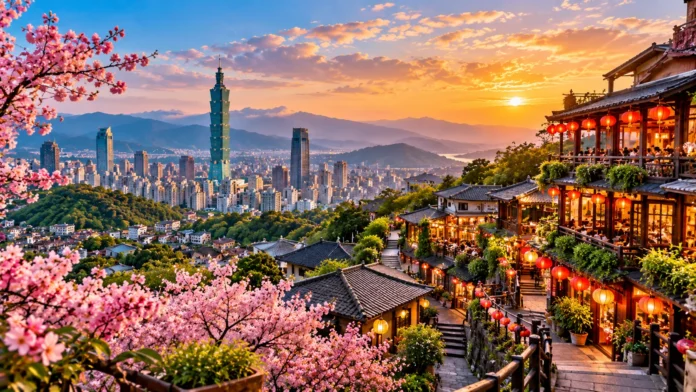
When Is the Best Time to Visit Taiwan?
The best time to visit Taiwan depends on whether you prefer mild sightseeing weather, beaches, mountain adventures, or seasonal scenery. For many travelers, spring and autumn provide the most comfortable balance. March to May and October to November often bring pleasant temperatures that work well for walking through cities, visiting temples, exploring markets, and spending time outdoors.
Summer can be rewarding if you enjoy tropical weather, coastal trips, festivals, and warmer sea temperatures. However, heat, humidity, heavy rainfall, and tropical storms can affect travel plans. Travelers visiting during this period should keep schedules flexible and avoid packing every day with activities that depend entirely on clear weather.
Winter is cooler and can be especially enjoyable for city breaks, hot springs, food-focused trips, and lower-elevation sightseeing. Northern Taiwan tends to feel cooler and wetter, while southern areas are generally milder. Understanding these regional differences will help you choose travel dates that match the experiences you want most.
Understand Taiwan’s Weather and Regional Differences
Taiwan has varied weather because of its mountains, coastline, and position between tropical and subtropical climate zones. Northern destinations such as Taipei often experience more moisture and cooler winter conditions. Southern cities, including Kaohsiung and Tainan, generally remain warmer, creating noticeable differences when travelers move between regions during the same trip.
Mountain areas can feel dramatically cooler than major cities, particularly at higher elevations. A warm morning in Taipei does not guarantee similar conditions in mountain parks or scenic highlands. Travelers planning hiking, sunrise viewpoints, or overnight mountain stays should carry additional layers even when coastal forecasts suggest mild or warm temperatures.
Rain is possible throughout the year, although the amount and pattern vary by season and region. Lightweight rain protection is therefore useful on almost any Taiwan itinerary. Instead of trying to avoid every possibility of rainfall, build enough flexibility into your schedule to move between indoor attractions, food experiences, and outdoor sightseeing when conditions change.
Visit Taiwan in Spring
Spring is one of the most attractive seasons for visiting Taiwan because temperatures gradually warm without immediately reaching peak summer intensity. March can still feel cool in the north, while April and May become increasingly comfortable and green. This season is well suited to sightseeing, temple visits, urban walks, cycling, and exploring rural areas.
Flowers and fresh vegetation can make parks, mountains, and countryside destinations especially appealing. Spring also provides good opportunities for travelers who want to combine cities with outdoor experiences. Weather can still shift quickly, so carrying a lightweight jacket and compact umbrella makes it easier to handle cooler evenings or occasional showers.
Later spring can become more humid and unsettled, particularly as the warmer season approaches. Travelers planning long hiking days should check conditions and avoid assuming that comfortable morning weather will last throughout the afternoon. Even with occasional rain, spring remains a strong choice for visitors who want varied activities without the hottest temperatures.
Visit Taiwan in Summer
Summer in Taiwan is hot, humid, and energetic. June through August can be excellent for beaches, island trips, water activities, and travelers who enjoy tropical conditions. Cities remain lively, night markets are active, and warm evenings make it easy to continue exploring after daytime temperatures begin to ease.
The main challenge is heat combined with heavy moisture. Long periods of walking can become tiring, particularly during the middle of the day. Plan major outdoor attractions for mornings or later afternoons, use indoor museums and cafés during peak heat, and carry water, sun protection, and breathable clothing throughout the day.
Summer also overlaps with the period when tropical storms can affect Taiwan. Flights, ferries, hiking areas, and coastal activities may change when severe weather approaches. Keeping accommodation and transportation plans flexible is especially useful during this season, and visitors should follow local weather guidance rather than relying only on long-range forecasts.
Visit Taiwan in Autumn
Autumn is often considered one of the best times for a Taiwan trip. October and November can provide comfortable temperatures, lower humidity than midsummer, and excellent conditions for city exploration. Travelers can spend longer periods outdoors without dealing with the strongest heat, making walking tours, markets, cycling, and cultural sightseeing more enjoyable.
Mountain scenery also becomes attractive as temperatures gradually cool. Hiking can feel more comfortable, and clearer conditions may improve views in some areas. Autumn works particularly well for travelers building an itinerary that combines Taipei, central Taiwan, mountain destinations, and southern cities within the same journey.
Early autumn can still experience unsettled tropical weather, so complete predictability is never guaranteed. By later in the season, conditions often feel more suitable for a broad range of activities. Pack light layers because warm afternoons can be followed by cooler evenings, especially in northern cities or elevated regions.
Visit Taiwan in Winter
Winter provides a quieter and cooler travel experience, particularly from December through February. Taipei and northern Taiwan may feel damp and chilly compared with the warmer south, although conditions are generally much milder than winter in many colder countries. This season works well for travelers who prioritize food, museums, temples, shopping, and urban sightseeing.
Hot springs become especially appealing during cool weather. Visiting a thermal area after a day of sightseeing can provide a relaxing contrast to busy city streets. Winter is also comfortable for exploring southern destinations such as Tainan and Kaohsiung, where temperatures are usually better suited to extended outdoor walking than during peak summer heat.
Travelers heading into mountain areas should prepare for much colder conditions. Warm layers, suitable footwear, and weather awareness become more important at elevation. Winter is not the best choice for every beach-focused trip, but it can be excellent for cultural travel, food experiences, hot springs, and visitors who dislike tropical heat.
Best Time to Visit Taipei
Spring and autumn are especially convenient for visiting Taipei because the temperatures are generally more comfortable for walking between temples, shopping areas, night markets, museums, and neighborhoods. Taipei involves plenty of time on foot, so avoiding peak heat can make the entire city experience feel easier and more enjoyable.
Winter can also be a good option if you do not mind cooler, wetter conditions. The city’s cafés, shopping centers, museums, food halls, and covered markets provide plenty to do when rain appears. Nearby hot spring areas become particularly attractive during this season, adding another enjoyable experience to a winter Taipei itinerary.
Summer visitors should organize their days carefully around heat and sudden rain. Early mornings are useful for outdoor landmarks, while afternoon periods can be reserved for indoor attractions. Evening is an excellent time for night markets and neighborhood exploration because temperatures often feel more manageable after sunset.
Best Time for Beaches and Island Trips
Travelers focused on beaches, swimming, snorkeling, and island scenery usually prefer the warmer months. Late spring through early autumn provides higher temperatures and warmer coastal conditions. Southern beaches and offshore islands can feel particularly inviting when the weather is stable and the sea is suitable for planned activities.
However, coastal travel requires extra flexibility during periods of tropical weather. Ferry services and water activities may be delayed or canceled if winds and sea conditions become unsafe. Do not create tight connections around island travel, especially if missing one ferry could affect flights or other important reservations later in the trip.
Shoulder-season beach visits can provide a calmer experience with fewer crowds. Water temperatures may not feel ideal for everyone, but coastal walks, cycling, photography, and relaxed sightseeing can still be enjoyable. Choose dates according to whether swimming is essential or simply one part of a broader Taiwan itinerary.
Best Time for Hiking and Mountain Scenery
Spring and autumn are generally strong seasons for hiking because temperatures are more manageable than during midsummer. Taiwan has mountain trails ranging from accessible day walks to demanding high-elevation routes. Choosing the right season can make hiking more comfortable while reducing some of the challenges associated with strong heat and humidity.
Weather in the mountains can change quickly regardless of the season. Clouds, rain, wind, and temperature drops can appear even when conditions in nearby cities look pleasant. Carry layers, rain protection, enough water, and appropriate footwear, and select routes that match your experience rather than choosing a trail solely because it is popular.
Winter hiking can be enjoyable at lower elevations, while high mountain conditions may require greater preparation. Summer hiking is possible but can become physically demanding because of heat and heavy rain. Starting early and checking local trail conditions are sensible habits whenever outdoor activities form an important part of your trip.
Best Time to Visit Taiwan on a Budget
Travel costs can rise during major holidays, festivals, school breaks, and popular travel periods. Travelers looking for better value should compare accommodation prices across several dates rather than choosing a season based only on weather. Midweek stays and less famous neighborhoods can also provide useful savings in popular cities.
Periods with more uncertain weather may sometimes offer lower demand, although cheap prices should not be the only consideration. A heavily discounted island or hiking trip may provide poor value if weather prevents you from enjoying the activities you planned. Balance savings with the likelihood that your preferred experiences will actually be available.
Another strategy is visiting major destinations during shoulder periods and spending more time in smaller cities. Taiwan’s efficient transportation makes it possible to explore beyond the most famous areas without complicated planning. Food markets, temples, local neighborhoods, and scenic towns can provide memorable experiences while helping keep the overall travel budget manageable.
What to Pack and How to Plan Your Taiwan Trip
Pack lightweight, breathable clothing for warmer months and add a compact rain jacket or umbrella. Sun protection, comfortable walking shoes, and a reusable water bottle are useful throughout much of the year. Even during summer, include one light layer if your itinerary contains mountain destinations or strongly air-conditioned indoor spaces.
Spring and autumn travelers should bring clothing that can be layered as temperatures change. Winter visitors may need warmer jackets in the north and significantly warmer equipment for mountain areas. Instead of packing only according to Taipei weather, check every region on your route because Taiwan’s geography creates noticeable local differences.
A flexible itinerary is one of the best travel strategies for Taiwan. Avoid scheduling every outdoor attraction for one specific day, especially when mountains, islands, or coastal areas are involved. Having alternative museums, markets, temples, food experiences, or neighborhood walks allows you to adapt easily when rain or changing conditions affect your original plan.
Conclusion
The best time to visit Taiwan depends on your preferred activities and tolerance for heat, rain, and crowds. Spring and autumn provide an excellent balance for many travelers, offering comfortable conditions for city sightseeing, cultural attractions, hiking, and exploring different parts of the island.
Summer works well for travelers who prioritize beaches and warm-weather experiences but requires greater flexibility because of heat, humidity, heavy rain, and tropical storms. Winter creates a cooler atmosphere that suits hot springs, city breaks, food-focused travel, and sightseeing in southern Taiwan especially well.
Whatever season you choose, plan around Taiwan’s regional differences rather than expecting identical weather everywhere. Bring adaptable clothing, leave room for changing conditions, and balance outdoor attractions with cultural experiences. With thoughtful timing, Taiwan can provide rewarding city, mountain, coastal, and food adventures throughout the year.
FAQs
What is the best month to visit Taiwan?
October and November are excellent choices for many travelers because temperatures are generally comfortable and humidity is lower than in midsummer. Spring months such as March and April can also be very enjoyable.
When is Taiwan the hottest?
July and August are typically among the hottest months, with high humidity adding to the intensity. Travelers should schedule long outdoor activities for mornings and evenings and take regular breaks during midday.
What is the rainy season in Taiwan?
Rainfall patterns vary by region, and wet weather can occur throughout the year. Late spring and summer often bring heavier rainfall, while tropical weather can also affect conditions during the warmer months.
Is Taiwan worth visiting in winter?
Yes. Winter can be excellent for hot springs, food, museums, temples, and southern cities. Northern Taiwan is cooler and often wetter, while higher mountain areas can become considerably colder.
How many days do you need in Taiwan?
Seven to ten days provides a good introduction to Taipei and several additional destinations. Around two weeks gives you more time for mountain areas, southern cities, coastal regions, and slower local experiences.

